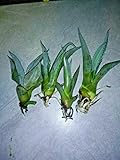
Care Guide: Planting, Soil & Watering
Overview: Agave guadalajarana grows best in a warm, frost-free position in full sun to light shade, and suits desert, subtropical, mediterranean, tropical, temperate climates in hardiness zone 10 and warmer. It thrives in light, sandy, sharply drained soil and needs only occasional watering, tolerating drought once established while quickly resenting soggy, waterlogged ground.
Quick Care Requirements
| Requirement |
Ideal Condition |
| Planting Season |
Spring in cold hardiness zone 9, spring to summer in hardiness zone 10a, spring to autumn in hardiness zone 10b, all year in hardiness zone 11+ |
| Growth Rate |
Slow |
| Soil Type |
Light, sandy, gritty and free-draining (low in organic matter) |
| Water Need |
Low — allow the soil to dry out between waterings |
Planting & Establishment
- Best Planting Season: Plant in spring once the danger of frost has passed and the soil has warmed, so roots establish before winter; in frost-free zones (11+) it can go in at almost any time of year. See the table above for zone-specific timing.
- How to Plant:
- Hole Preparation: Dig a hole about twice the width of the root ball but no deeper, so the plant sits at the level it grew before. In wet, heavy, or rainy ground, plant on a slight mound or raised bed to keep the crown above standing water.
- Soil Amendments: Work coarse sand, grit, or fine gravel into heavy soil to sharpen drainage. Agaves need very little organic matter, so avoid rich, moisture-holding composts that hold water around the roots and encourage rot.
- Planting Depth: Set the plant so the base of the rosette (root collar) sits right at soil level — never bury the fleshy leaf bases or stem, which quickly leads to rot.
- Growth Speed & Expectations: Slow-growing: expect only modest leaf increase each season. In climates cooler than its native range growth slows further, and flowering can take several extra years.
Soil, Watering & Drainage Care
- Soil Mix & Drainage Needs: Grow in a gritty, free-draining medium — a cactus and succulent potting mix, or sandy loam amended with pumice or perlite. Sharp drainage is essential: this plant will not tolerate sitting in a puddle and can die if the soil stays wet, so give containers plenty of drainage holes and refresh the mix every few years as it breaks down.
- Watering Schedule & Technique:
- Young / Newly Planted: Water lightly every few days to help new roots settle in, keeping the soil barely moist but never soggy.
- Established: Water deeply but infrequently, then let the soil dry out almost completely before watering again; established plants are highly drought-tolerant and need only occasional watering.
- Seasonal Adjustments: Water a little more often during hot, dry spells and cut back sharply in winter. In colder zones keep the plant nearly dry over winter and add a little mulch to protect young plants from the cold.
Growing in Pots, Balconies & Indoors
Agave guadalajarana is a sun-loving succulent that does well in a container on a sunny patio or balcony, but it is not a true indoor houseplant – it needs far more direct light than a room interior provides. It reaches about 30-60 cm (1-2 ft).
Quick Details
- Container Size: A pot about 30-50% larger than the root ball; pot up as it fills and to leave room for offsets (pups)
- Indoor Suitability: Not a true houseplant; a compact or young plant can grow on a bright, sunny windowsill
- Best Spot: Full sun to light shade – a sunny, sheltered patio or balcony is ideal
- Soil & Drainage: Free-draining, gritty succulent/cactus mix with plenty of drainage holes
- Watering in Pots: Water sparingly and let the mix dry out between waterings; never leave it soggy
Indoors & On the Windowsill
- Houseplant limits: Agaves are sun lovers, not low-light houseplants – in a dim room they etiolate (stretch) and weaken. The grower does not rate this as an indoor plant.
- Windowsill growing: On a bright, south-facing sill with several hours of direct sun it can do well. Its compact size makes it a good candidate for a bright sill.
- Overwintering indoors: In cold climates a potted agave can be moved indoors for winter to escape frost – keep it in the brightest possible spot and water very little until growth resumes.
On a Balcony or Patio
- Light & wind: Give it the sunniest spot you have. Walls, railings and paving reflect heat and the pot can dry out fast, so check moisture regularly in warm weather. Shelter the plant from strong wind, which can rock a top-heavy rosette.
- Weight at bloom: When it flowers the stalk can grow tall and heavy, so stand the pot where it cannot topple and weight the base if needed (see the grower’s tip below).
- Practicalities: A filled pot is heavy – make sure the balcony can take the load and that drainage water can escape without staining the floor.
- Safety: The leaves are stiff and sharply spined and the sap is an irritant, so keep the pot away from walkways, children and pets.
Choosing the Pot, Soil & Long-Term Care
- Pot & drainage: Use a pot 30-50% larger than the root ball with strong drainage holes; skip a standing-water saucer to avoid root rot. Terracotta breathes and dries faster (ideal for a succulent), while glazed or plastic pots hold moisture longer.
- Potting mix: A gritty, free-draining succulent or cactus mix – an aerated organic mix opened up with coarse sand, perlite or pumice.
- Feeding: Potted agaves need only light feeding; nutrients leach from pots, so a weak, occasional feed during the growing season is plenty.
- Repotting & refreshing soil: Pot up when the plant fills its container or produces offsets. Drainage declines as the mix breaks down, so refresh the soil every couple of years – the grower advises changing to fresh soil after a few years.
Grower’s Container Tip
- Sizing & potting up: Choose a container about 30-50% bigger than the root ball, then move to a larger pot each time it fills – and size up further once the plant is mature so there is room for the daughter plants (offsets).
- Weight the base: The bloom stalk can grow tall and heavy, so place something heavy (such as stones) in the bottom of the pot to keep it stable.
- Drainage & soil: Make plenty of drainage holes; after a few years the drainage works less well, so replace the old soil with fresh mix.
Bloom & Flower Guide
Quick Details
- Bloom Season: Spring to summer
- Time to First Bloom: Once in a lifetime, after many years of growth (often a decade or more); the rosette is monocarpic and dies after flowering, leaving offsets to carry on.
- Flower Appearance: Yellow flowers carried high on a tall flower stalk that rises well above the leaves.
- Edibility: Ornamental; the raw plant’s sap is an irritant, so the flowers are not treated as edible.
Detailed Blooming Overview
Century plant (Agave guadalajarana) is a monocarpic succulent — it spends years, sometimes decades, building its rosette of fleshy leaves before sending up a single dramatic flower stalk. As our grower notes, the plant flowers once and then dies, with young offsets rising to replace it. Blooming typically comes in spring and summer, when the tall stalk lifts the flowers well above the foliage.
Flower Characteristics
- Yellow flowers borne on a tall stalk that rises well above the rosette.
- Flowers open along a branching, candelabra-like inflorescence typical of the genus Agave.
- Rich in nectar — pollinated at night by bats and moths, and by day by nectar-feeding birds such as hummingbirds.
Bloom Care & Thinning
- Enjoy the once-in-a-lifetime show: Because the rosette blooms only once, simply leave the stalk in place to enjoy it — there is no thinning to do.
- After flowering: The parent rosette dies back naturally; cut down the spent stalk and keep the offsets (pups) to continue the planting.
- Pollination & seed set: Pollinated by bats, moths and nectar-feeding birds; a well-pollinated stalk sets seed, and many agaves also form bulbils (small plantlets) along the flower stalk.
Bloom Health & Protection
- Agave snout weevil (Scyphophorus acupunctatus): This weevil tends to target large, mature agaves — often just as they approach their once-in-a-lifetime bloom — and can collapse the crown. A soil-applied systemic insecticide during active growth, together with prompt removal of infested rosettes, helps limit its spread.
- Crown and heart rot: In damp conditions, or following weevil or frost damage, the base can rot. Sharp drainage, careful watering and good airflow are the best protection.
Pruning, Training & Seasonal Maintenance
Agave guadalajarana is a compact (30-60cm/1-2ft), blue-green rosette with red-tinged marginal spines and a low pruning tolerance: routine work is limited to trimming dead or damaged leaves, and, because agaves are monocarpic, removing the flower stalk and spent rosette once bloom finishes. There is no woody-plant "pruning season" – sanitary leaf removal can happen any time of year, while post-bloom stalk removal and offset separation are best timed to dry weather to limit rot and agave snout weevil risk.
Quick Pruning & Maintenance Specs
| Pruning Tolerance |
Low – leaf and stalk removal only, no canopy pruning |
| Primary Pruning Window |
Year-round for dead leaf removal; event-driven once the flower stalk finishes blooming |
| Typical Frequency |
A few times a year as lower leaves decline; once-only stalk/rosette removal at end of that rosette’s life |
| Main Objective |
Sanitation and eventual removal of the spent flowering rosette |
| Young Plant Priority |
Leave leaves alone; remove only genuinely dead or damaged tissue |
| Mature Plant Priority |
Remove declining lower leaves; remove flower stalk and dying rosette after bloom; separate crowding offsets |
| Best Tool Type |
Precision snips or bypass secateurs for leaves; loppers for the flower-stalk base |
| Avoid Heavy Pruning During |
Prolonged wet weather (rot and snout-weevil risk); never cut into the single growing point (crown) |
Pruning by Plant Age & Size
Newly Established
Minimal intervention. Remove only leaves damaged during planting; leave otherwise-healthy foliage alone while the plant settles in.
Young / Formative
No structural training applies – the rosette shapes itself around a single growing point.
Mature / Established
Routine removal of the oldest, lowest leaves as they yellow and dry. When this rosette flowers, plan to remove the spent stalk and declining rosette afterward, and thin offsets if the base is crowding.
Seasonal Pruning Schedule
Ongoing Sanitary
Objective: remove dead, dried, or pest-damaged leaves as they occur. Remove: fully brown/dry leaves, cut at the base. Do not remove: green or partly green leaves still storing water and nutrients.
Post-Bloom
Objective: once flowering finishes and that rosette begins its normal monocarpic decline, remove the spent stalk and, as it dies back, the old rosette, freeing space for offsets. Best done in dry weather.
Structural Pruning & Training
None applies – a single growing point cannot be headed back, thinned, or shaped.
Special Growth to Remove
- Dead or dying leaves – cut at the base once fully brown.
- Spent flower stalk and the rosette that produced it, once bloom finishes.
- Basal offsets – separate and pot up if propagating or thinning a crowded clump.
Container & Small-Space Pruning
Its compact mature size suits container growing well. In a pot, keep leaf removal to genuinely dead material only, since reserve capacity is lower than an in-ground plant; treat root work as a repotting task, not routine pruning.
Tools
Precision snips or bypass secateurs for individual leaves; loppers for a thicker flower-stalk base once it is spent.
Tool Hygiene & Disease Risk
Increased risk: agave snout weevil is attracted to fresh wounds and can lay eggs in cut surfaces, with larvae boring into the crown. Keep cuts clean and minimal, and avoid pruning during warm, humid periods when weevil activity peaks.
Cut Placement & Technique
Wear thick gloves – the leaf margins carry red-tinged spines and the tip is a stiff, piercing point. Cut dead leaves close to the base without damaging adjacent healthy leaf bases; cut the spent flower stalk near its base once fully dry.
Heavy Pruning & Rejuvenation
Not tolerated. This rosette has one growing point; removing it kills the rosette outright. Renewal comes only from basal offsets, never from re-cutting an existing crown.
Post-Pruning Care
Keep cut surfaces dry for the first few days where possible. Do not fertilize in response to pruning – the plant’s usual once-a-year feeding is unrelated to cutting. Watch cuts for soft, discolored, or wet-looking tissue, an early sign of rot or weevil activity.
Common Pruning Mistakes
- Removing healthy green leaves for tidiness, wasting stored water/nutrients and creating weevil entry points.
- Cutting into or near the crown, which kills the growing point.
- Leaving a clearly spent flower stalk in place indefinitely, inviting rot and pests.
- Using dull blades that crush rather than cleanly cut the fibrous leaf base.
When NOT to Prune
Avoid pruning right after transplanting except to remove damaged leaves; avoid cutting during prolonged wet weather; never cut into the crown under any circumstances.
Recommended Tools (by task)
- precision_snips – clean removal of individual dead leaves.
- bypass_secateurs – thicker mature leaves and offset separation.
- loppers – the flower-stalk base once spent and too thick for secateurs.
Pests, Diseases & Troubleshooting
Overview: Rigid, well-armed agaves like this one are among the toughest and most pest-resistant succulents, but they are not immune: scale, mealybugs and mites still colonise sheltered leaf axils, and overwatering rot remains the number-one killer. Prevention is cultural first, sharp drainage and restraint before any spray. Anchored to Agave guadalajarana, this is a compact, broad-leaved blue-grey Jalisco rosette, and it shares the standard Agave vulnerabilities. The guiding philosophy is prevention through correct siting and watering, with organic and cultural controls used before any product.
Quick Troubleshooting Overview
| Issue / Pest |
Main Symptom |
Primary Solution |
| Agave Snout Weevil |
Central rosette wilts, collapses and lifts out; foul smell |
Remove & destroy infested plants; preventive soil drench of survivors |
| Scale & Mealybugs |
Sticky honeydew, sooty mould, white cottony or brown bumps in leaf axils |
Wipe/spray with insecticidal soap or horticultural oil; encourage predators |
| Agave & Spider Mites |
Corky scarring or fine stippling and webbing on leaves |
Rinse foliage, raise humidity for spider mites; miticide only if severe |
| Crown & Root Rot |
Basal leaves soften, blacken and pull away; mushy core |
Improve drainage, stop overwatering, remove rotted tissue |
| Bacterial Soft Rot |
Foul-smelling, slimy collapse of crown or leaf bases |
Cut out to clean tissue, keep dry, dust with sulphur |
| Sunburn / Frost |
Bleached or water-soaked patches scarring tan to brown |
Acclimate to sun; protect crown and keep dry in cold |
Common Pests & Management
- Agave Snout Weevil (Scyphophorus acupunctatus):
- Symptoms: The single most destructive agave pest. The adult female bores into the base to lay eggs; the grubs then tunnel through the crown, introducing bacteria that turn the core to mush. Small, fibrous and heavily-armed rosettes such as this are less preferred than big soft agaves, but the weevil still attacks stressed plants; watch the crown for wilting and basal ooze. By the time the rosette collapses, damage is usually terminal.
- Prevention & Control: There is no cure once grubs are inside, so focus on prevention and sanitation: remove and destroy infested plants (do not compost) to break the breeding cycle, and clear the surrounding soil of grubs and pupae. Keep plants vigorous but not soft, avoid wounding the base, and in areas with known weevil pressure apply a preventive soil drench of a systemic insecticide to healthy specimens in the warm growing season, timed to protect large plants approaching maturity.
- Armored & Soft Scale (Diaspididae & Coccidae):
- Symptoms: Immobile brown, grey or waxy bumps clustered along leaf bases, undersides and axils. Soft scale excretes sticky honeydew that fuels black sooty mould; heavy infestations cause yellowing and weak growth. Look-alikes include the plant’s own natural leaf markings, so scrape-test a bump to confirm.
- Prevention & Control: Inspect new plants and leaf axils regularly. Wipe off light infestations with an alcohol-dipped cloth or cotton swab; for wider outbreaks spray thoroughly with horticultural oil or insecticidal soap to smother them, repeating every one to two weeks and covering hidden crevices. Conserve natural predators (ladybirds, parasitic wasps) and treat systemically only as a last resort.
- Mealybugs, incl. Root Mealybugs (Pseudococcidae; Rhizoecus spp.):
- Symptoms: White, cottony masses tucked into the crown and leaf bases, with honeydew and sooty mould. Root mealybugs are sneakier: hidden white waxy deposits on roots and inner pot walls cause unexplained decline, stunting and wilting despite correct watering.
- Prevention & Control: Dab visible colonies with an alcohol-soaked swab and rinse the crown. For root mealybugs, bare-root the plant, wash the roots, discard old infested mix, and repot into fresh, gritty soil in a clean container; a soil drench of insecticidal soap or a systemic helps in stubborn cases. Quarantine new plants, as this pest spreads through shared soil and pots.
- Eriophyid Agave Mite (Eriophyidae):
- Symptoms: Microscopic mites feeding deep in the tightly-folded central bud cause distorted new growth and rough, corky, scab-like scarring that becomes visible only as leaves unfurl. The damage is permanent and cosmetic but disfiguring, and mites can spread plant-to-plant on tools and hands.
- Prevention & Control: Isolate affected plants, as the mite moves between agaves on contact; sterilise tools and wash hands after handling. Because the mites hide in the bud, sprays reach them poorly; severe cases may need a labelled miticide directed into the crown, but many growers simply remove and destroy badly-affected plants to protect a collection.
- Spider Mites (Tetranychus urticae):
- Symptoms: Fine pale stippling or a bronzed, dusty look on leaves, with delicate webbing in the axils during hot, dry, dusty spells or indoors. Tap a leaf over white paper to see the tiny moving specks.
- Prevention & Control: Mites thrive in hot, dry, stagnant air, so a strong periodic rinse of the foliage and better airflow disrupt them. Insecticidal soap or horticultural oil knocks down active populations with repeat applications; predatory mites work well under cover. Avoid broad-spectrum insecticides that kill the mites’ natural enemies and worsen outbreaks.
- Thrips (Thysanoptera):
- Symptoms: Slender pale flecking, silvery streaks and tiny black faecal specks on leaves; heavy feeding can scar new growth. Thrips are minor on agaves but can build up on soft young foliage and shelter in the crown.
- Prevention & Control: Blue or yellow sticky traps monitor and reduce adults; insecticidal soap, spinosad or horticultural oil controls them, aimed into the crown where they hide. Beneficial predators (minute pirate bugs, predatory mites) keep numbers down outdoors.
Diseases & Fungal Issues
- Crown & Root Rot (Phytophthora & Pythium spp.):
- Symptoms: The commonest killer of agaves. Water-mould pathogens attack in wet, poorly-drained or overwatered conditions: basal leaves yellow, soften, blacken and pull away easily, and the core turns brown and mushy from the base up.
- Treatment & Management: This is a cultural problem first. Plant in fast-draining, gritty soil, water deeply but infrequently and let the mix dry between waterings, and never let water pool in the crown. Salvage early cases by unpotting, cutting away all rotted tissue to clean flesh, dusting with sulphur and repotting dry into fresh mix; a copper or phosphonate drench can protect the remainder. Advanced rot is usually fatal.
- Bacterial Soft Rot (Pectobacterium / Erwinia spp.):
- Symptoms: A fast, foul-smelling, slimy collapse of the crown or leaf bases, often following snout-weevil injury, frost damage or any wound that lets bacteria in. Tissue turns dark, wet and mushy.
- Treatment & Management: Act fast: cut out all affected tissue back to firm, clean flesh with a sterilised blade, and let the wound dry and callus in open air; dust with sulphur or a copper product. Keep the plant bone-dry and airy while it heals, and avoid overhead watering. Prevention means avoiding wounds and controlling the weevil.
- Anthracnose (Colletotrichum agaves):
- Symptoms: Sunken, dark, sometimes reddish-bordered lesions on leaves, often bearing pinkish-orange spore masses in humid weather. It spreads by splashing water and is worst in warm, wet, crowded conditions.
- Treatment & Management: Improve airflow and stop overhead watering to keep foliage dry, remove and destroy infected leaves, and sterilise tools between cuts. A copper-based fungicide protects healthy tissue when conditions favour the disease.
- Fungal Leaf Spots (e.g. Cercospora and related fungi):
- Symptoms: Small round-to-oval grey, brown or black spots, sometimes ringed or coalescing, mostly cosmetic but disfiguring and favoured by prolonged leaf wetness and shade.
- Treatment & Management: Rarely serious; improve light and airflow, water at the base rather than overhead, and remove badly spotted leaves. Copper or sulphur fungicide is needed only in persistent wet-season outbreaks.
Growing Difficulties & Abiotic Problems
- Overwatering & Edema (Rot from Excess Moisture):
- Cause & Symptoms: By far the most common way agaves are killed. Soggy soil suffocates roots and invites rot; leaves may yellow, soften, or in humid spells develop corky edema blisters where cells burst from waterlogging.
- Correction Strategy: Use a fast-draining, mineral-rich succulent mix, water only when the soil has dried, and cut back sharply in cool or dormant periods. Containers must have drainage holes; never leave the plant standing in a saucer of water.
- Sunburn / Sun Scorch:
- Cause & Symptoms: Even sun-loving agaves can scorch if a shade-grown or freshly-transplanted plant is thrust into full desert sun, producing bleached then brown scarred patches.
- Correction Strategy: Acclimate new or relocated plants to full sun over a few weeks; established plants of this species relish full sun, and scarred leaves are cosmetic only.
- Frost & Cold Damage:
- Cause & Symptoms: Frost and hard cold cause water-soaked patches that dry to scarred tan tissue and can open the crown to rot.
- Correction Strategy: Keep plants dry through cold spells, provide overhead protection in hard frost, and trim damaged tissue after the weather warms, dusting cuts with sulphur.
- Etiolation & Weak Growth (Too Little Light):
- Cause & Symptoms: In too much shade the rosette stretches, pales and loosens, leaves grow thin and floppy, and the plant becomes far more susceptible to rot and sap-sucking pests.
- Correction Strategy: Move gradually into brighter light (acclimating to avoid scorch); good light keeps the rosette tight, firm and naturally pest-resistant.
What Helps — Products & Tools
For this agave, the practical toolkit is: horticultural (neem) oil and insecticidal soap for scale, mealybugs, mites and thrips; isopropyl alcohol swabs for spot-treating; a systemic soil-drench insecticide reserved for snout-weevil prevention on valued large plants; copper fungicide for anthracnose, leaf spot and bacterial rot; sulphur (dusting) fungicide for treating cut rot wounds; blue/yellow sticky traps for thrips; diatomaceous earth or iron-phosphate bait for snails and slugs; and above all a gritty, fast-draining succulent mix, the single best defence against the rots that kill most agaves. Apply oils and soaps in the cool of evening to protect the plant and pollinators, and always follow the product label.
Propagation Guide
Agave guadalajarana can be grown well from either method: offsets (pups) separated from the mother rosette give a plant identical to the parent’s blue-green, red-spined leaves and reach a usable size quickly, while seed – well documented for this species – germinates fairly reliably in a few weeks. Species seed is usually true-to-type when isolated from other Agave, but named or variegated selections must be grown from offsets or cuttings to stay true; overall this agave is easy to propagate by either offsets or seed, with offsets remaining the faster route to a mature-looking plant.
Quick Propagation Specs
| Best Propagation Method |
Offset (pup) division |
| Alternative Methods |
Seed (reliable for this species; slower to reach size) |
| Propagation Difficulty |
Easy, by either offsets or seed |
| Seed True-to-Type |
Usually true-to-type for the species when isolated from other Agave; variegated/named forms do not come true from seed |
| Vegetative True-to-Type |
Yes – clonal offsets |
| Best Propagation Season |
Offsets: late spring to early summer outdoors, any time indoors. Seed: spring to summer (possible in autumn or winter in hot climates) |
| Seed Germination Time |
2–4 weeks |
| Cutting Rooting Time |
Several weeks to about a month once callused and potted |
| Germination Temperature |
About 21–27°C (70–80°F) |
| Seed Sowing Depth |
About 0.5 cm (0.25 in) |
Growing from Seed
Seed Handling & Viability
Store seed in a dry, dark place at room temperature until sowing.
Sowing Season
Best sown spring to summer; sowing in autumn or winter is possible in hot climates.
Sowing Depth & Orientation
Sow at about 0.5 cm (0.25 in) deep.
Germination Conditions
Sow in a sunny or bright location in well-ventilated, well-drained soil; keep the soil lightly moist without letting it fully dry out, but avoid overwatering. Space seedlings or sowing points roughly 20–30 cm (8–12 in) apart to give each young rosette room to develop.
Germination Time
Germination typically takes about 2–4 weeks.
Seedling Care
Grow seedlings on in bright light, with moist but not soggy, well-ventilated soil, watering in small to average amounts.
Division, Offsets, Pups & Suckers
Agave guadalajarana also produces offsets around the base of the mother rosette, and separating these pups is the faster of the two propagation routes. Cut a pup free at its base by hand or with a clean tool rather than tearing it, then let the wound callus for at least 24 hours – longer for a thicker stem cut – before potting. Pot the callused offset into well-drained soil and water only every few days to two weeks, letting it dry somewhat between waterings without going fully dry; roots typically begin forming within a few weeks to about a month. Late spring to early summer is the best outdoor timing for offsets, though they can be started indoors at any time. Choose offsets with a reasonably formed leaf rosette rather than very small, freshly emerged pups, which establish better if left attached a little longer. Since seedlings will not reliably reproduce variegation, only offset or cutting propagation keeps a variegated form true. When later transplanting a rooted offset or daughter plant, wash soil from the roots, keep as much root mass intact as possible, and water lightly every day afterward without overwatering. Wear gloves during separation, as this species’ red marginal spines are sharp.