How to grow Peppermint plant

Peppermint plant grow and care – herbaceous of the genus Mentha also known as Mentha piperita, Peppermint plant perennial evergreen plant, grow for the edible leaves, the leaves fragrant and the plant can be used as ornamental plant as groundcover and it’s attract pollinators, can grow in mediterranean, subtropical or temperate climate and growing in hardiness zone 3-10b and with the right care in hardiness zone 11a and possible to grow it indoor with the right care.

Peppermint plant Plants, Seeds & Supplies for Sale

As an Amazon Associate I earn from qualifying purchases.
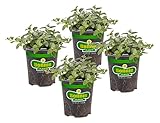
Bonnie Plants Peppermint Live Edible Aromatic Herb Plant - 4 Pack, Pet Friendly, Low Light, Part Shade
Bonnie Plants Peppermint Live Edible Aromatic Herb Plant - 4 Pack, PetCheck Price on Amazon
Bonnie Plants Peppermint, Live Plants, with Miracle-Gro Pour & Feed Singles Ready-to-Use Plant Food, 4-Pack, Easy-to-Grow Peppermint is Great for Container Gardens, 19.3 oz.
Bonnie Plants Peppermint, Live Plants, with Miracle-Gro Pour & Feed Singles Ready-to-UseCheck Price on Amazon
HOME GROWN Peppermint Seeds, 2,370 Seeds, Mentha x piperita | High Germination, Heirloom, Non-GMO | 2,370 Seeds | Peppermint | Indoor/Outdoor | Mint Plants | Herb Garden | Planting
HOME GROWN Peppermint Seeds, 2,370 Seeds, Mentha x piperita | High Germination,Check Price on Amazon
Clovers Garden Peppermint Mint Herb Plants - Two (2) Live Plants – Non-GMO - Not Seeds - Each 4" to 8" Tall – in 4" Inch Pots – Vigorous Grower, Great for Indoor Herb Gardens
Clovers Garden Peppermint Mint Herb Plants - Two (2) Live Plants –Check Price on Amazon
2 Peppermint Plants – Fragrant Edible Perennial Herb for Fresh Tea, Cooking & Easy Growing in Containers, Herb Gardens & Outdoors (Mentha piperita L.) in 3.5” Cubes, Live Plants
2 Peppermint Plants – Fragrant Edible Perennial Herb for Fresh Tea, CookingCheck Price on Amazon
3 Peppermint Live Plants, 4-6 Inches Tall, Mint Fragrant Perennial Herb for Containers, Raised Beds and Outdoor Gardens, No Pot
3 Peppermint Live Plants, 4-6 Inches Tall, Mint Fragrant Perennial Herb forCheck Price on Amazon

Don’t see the exact variety you’re looking for?

Explore all live Peppermint plant plants, pots, and starter kits on Amazon ↗

Peppermint plant edible leaves

Leaves color green oval with strong odor.

Flower color purple, the flowers grow on the stem in inflorescence.

Peppermint plant for sale – Seeds or Plants to Buy

How to grow Peppermint plant growing information and care conditions:

Rich soil, moist soil, well-drained soil,

How to care:
Add fertilize at least once a year with high content of nitrogen, (nitrogen for the plant more for growth and less for blooming)

What is the best way to start growing?
Plant / Seed / Vegetative Reproduction

How to propagate:
Propagating by bending a branch over and covering it with soil, stolons after grow few leaves possible to separate from the mother plant and increase the amount of water in the first days.

Start by cutting possible in water, put the stem in water and switch the water every few days or put the stem in soil, keep the soil moist in both cutting methods better to do it spring season, keep high humidity and spray the plant with water.

Advertisement

Is it necessary to use vegetative reproduction?
No, easier to start from cutting or bending a branch over and covering it with soil than to start by seeds

Difficulties or problems when growing:
Aggressive

Planting season:
Spring in hardiness zone 3-7, spring to summer in hardiness zone 8-10a, spring to autumn in hardiness zone 10b, all year in hardiness zone 11a

How to plant:
Dig hole bigger than the plant put some organic matter and mix it with the soil, cover the soil lightly

Pests and diseases:
Aphids, spider mites, thrips

Pruning season:
Possible all the year, better in the autumn to winter, and blooming stems all season

How to prune:
Pruning need to be aggressive, cut the stem ~5cm (2 inches) and every stems that start to bloom better to prune before it blooms, old branch and dead parts, also to pull out dead plants and reduce the amount of plant, because the growing area is limit after few years the plant growth too much crowded it’s reduce the size of the leaves

Size of the plant:
20-60 cm, 8-24 inches

Growth speed in optimal condition:
Fast growing

Water requirement:
Average amount of water / Big amount of water

Light conditions in optimal condition for growing:
Full Sun / Half Shade, almost full sun to 0.75 full sun, because when the plant expose to a lot of sun the plant bloom it’s good for attract pollination but it’s harder for harvesting the leaves and use them, the leaves smaller and less leaves on stem

Advertisement

Is it possible to grow indoor as houseplant?
No, possible to grow it on the windows with direct sun

Growing is also possible in a pots, planter, flowerpot or containers:
Yes, when grow in container, size 8-18 liter (2-5 gallon) bigger is better and need to be shallow and wide, every year better to cut all the roots and part of the plant also to reduce the amount of plants, the plants grow fast and without reduction of the roots and the amount of plant the plant might die, every two years to switch soil in the pot don’t let the soil be rotten possible to switch just part of the soil, soil need to be well ventilated with good drainage, rich with organic matter, can us in potting mix or peat soil with perlite or vermiculite, average amount of water and better to keep the soil lightly moist

Blooming information

Bloom season:
Summer (and in warmer climate in late spring to early autumn)

General information about the flower
Purple flowers grow on the stem in inflorescence

Pollination is done by:
Bees and attract pollinators

Thinning the bloom:
Recommend to thinning the blossom

Edible leaves

Leaves harvesting season:
Spring to summer in hardiness zone 3-8, spring to autumn in hardiness zone 9-10, all year in hardiness zone in hardiness zone 11

How to harvest the leaves?
Cut with the stem few centimeter from the ground or the divided of the stem

Information about leaves:
Green oval with strong odor

Uses of Peppermint plant leaves:
Beverage, salad

How to grow Peppermint plant from seeds

Sowing requirement:
Full sun, moist soil and humidity

Saving seeds and care until sowing:
Cool and dry location

Sowing season:
Spring to summer and it’s better to sow in temperatures 20-26C (68-79F)

Planting spacing:
4*5 cm, (1.4*2 inches) when transplant it to bigger pots in the 5-7 leaves

Depth of Sowing:
2-3mm

Conditions for seeds germinate:
Moist soil, full sun

Watering requires for Seeds:
Average amount of water and keep the soil moist

Germination time:
2-8 weeks

Condition of seedling:
Lightly moist soil with medium humidity, full sun (the seedling attract a lot of pets)

Scientific name:

Mentha × piperita

How to grow Peppermint plant

Peppermint plant leaves

Peppermint plant care

Harvest Peppermint plant

Growing Peppermint plant

Peppermint plant

Categories

Blooming Seasons
  • Summer flowers
Edible Parts
  • Edible leaves
Culinary uses
  • Beverage
  • Herbs
  • Salad
Flower colors
  • Purple flower
Climate
  • Mediterranean Climate
  • Subtropics Climate
  • Temperate Climate
Harvest Season
  • Autumn Harvest
  • Spring Harvest
  • Summer Harvest
  • Winter harvest
Ornamental parts
  • Ornamental leaves
  • Ornamental plant
Plant growing speed
  • Average growing plants
  • Fast growing plants
Plant life-form
  • Evergreen
  • Perennial plant
  • Shrub
Plant Uses
  • Edible plants
  • Fragrance
  • Ground cover plants
  • Ornamental plants
Planting Season
  • Autumn Planting
  • Spring Planting
  • Summer planting
Plants sun exposure
  • Full sun Plants
  • Part shade Plants
Watering plants
  • Big amount of water
  • Regularly water
Hardiness zone
  • Hardiness zone 10
  • Hardiness zone 11
  • Hardiness zone 9

Care Guide: Planting, Soil & Watering

Overview: Mints are vigorous, fast-spreading herbs that thrive in warm, sunny to partly shaded spots with rich, moist, well-draining soil. They are moisture-lovers that dislike drying out and grow so aggressively that many gardeners confine them to a container or a buried barrier.

Quick Care Requirements

Requirement Ideal Condition
Planting Season Spring in zones 3-7; spring–summer in 8-10a; spring–autumn in 10b; year-round in 11a
Growth Rate Fast
Soil Type Rich, organic, moist and well-draining
Water Need Moderate to high; keep the soil consistently moist

Planting & Establishment

  • Best Planting Season: Timing follows frost risk and warmth: plant in spring in zones 3-7, in spring to summer in zones 8-10a, in spring to autumn in zone 10b, and year-round in zone 11a.
  • How to Plant:
    • Hole Preparation: Dig a hole a little larger than the root ball.
    • Soil Amendments: Mix plenty of organic matter such as compost into the excavated soil.
    • Planting Depth: Set the plant at the depth it grew before and cover the roots lightly, firming gently.
  • Growth Speed & Expectations: Very fast — reaches 20-60 cm. Because it spreads by runners, plant it in a container or behind a buried barrier to keep it in check.

Soil, Watering & Drainage Care

  • Soil Mix & Drainage Needs: Wants a well-ventilated, free-draining yet moisture-retentive mix rich in organic matter; in pots use potting mix or peat soil with perlite or vermiculite and refresh part of the soil every couple of years so it never turns stale.
  • Watering Schedule & Technique:
    • Young / Newly Planted: Water in well after planting or dividing and keep the soil moist through the first weeks so it establishes quickly.
    • Established: Water regularly so the soil stays evenly moist — mint wilts fast if it dries out and does best with generous, consistent moisture.
    • Seasonal Adjustments: More water in summer heat, less in the cool winter months.

Growing in Pots, Balconies & Indoors

Peppermint (Mentha x piperita) is a fragrant culinary mint – and a natural for a pot, which keeps its running roots in bounds. The grower notes it can even be grown indoors with the right care, and at a minimum it does well at a sunny window.

Quick Details

  • Container Size: 8-18 L (2-5 gal), the bigger the better; a shallow, wide pot suits it (grower’s value)
  • Indoor Suitability: Not a deep-indoor houseplant, but grows well at a sunny window with direct light
  • Best Spot: Nearly full sun to part shade – a bit of shade keeps leaves large and delays flowering
  • Soil & Drainage: Rich, well-drained, well-aerated mix kept lightly moist
  • Watering in Pots: Keep the mix lightly and evenly moist – mint likes a fair amount of water; never bone dry

Indoors & On the Windowsill

  • Houseplant limits / a window herb: The grower marks it as not a deep-room houseplant but notes it can be grown at a window with direct sun, and the record adds it can be grown indoors with the right care – so give it the sunniest sill; in dim light it grows thin and pale.
  • Windowsill growing: One of the easiest herbs at a bright window; harvest often and pinch out flower stems to keep the leaves coming. It also roots readily in water from a cutting.
  • Overwintering: Hardy in most climates, but a pot is easily kept on a bright sill through a cold winter for fresh leaves.

On a Balcony or Patio

  • Light, wind & heat: It is happy on a balcony or patio in good light. Pots dry quickly because walls and paving reflect heat, so check them often in warm spells; shelter tall stems from wind and mind the pot weight and drainage runoff.
  • Practicalities: A wide, shallow 8-18 L pot on a bright balcony is ideal; a container also keeps this vigorous spreader from taking over.

Choosing the Pot, Soil & Long-Term Care

  • Pot & drainage: A wide, shallow 8-18 L pot with good drainage holes; empty any standing saucer so the roots never sit in water and rot.
  • Pot material: Terracotta breathes and dries quickly (handy for sun-loving Mediterranean plants); glazed or plastic pots hold moisture longer.
  • Potting mix: Rich, well-aerated mix – a good potting mix, or peat/coir blended with perlite or vermiculite and some organic matter; keep it lightly moist.
  • Feeding: Potted plants use up nutrients faster because watering leaches them out, so feed a little more often than plants in open ground – mint responds to a nitrogen-rich feed for leafy growth.
  • Repotting / renewal: The grower switches part of the soil every two years so it does not turn sour.

Grower’s Container Tip

  • Hard-cut it every year: Because mint spreads fast and gets crowded, the grower cuts back all the roots and part of the plant each year (and thins the number of stems). Without this reduction the pot can decline and the plant may die – so an annual hard cut, plus renewing part of the soil every two years, keeps it vigorous.

Bloom & Edible Flower Guide

Quick Details

  • Bloom Season: Summer, extending from late spring to early autumn in warm climates
  • Time to First Bloom: In summer of its first season once established
  • Flower Appearance: Small purple flowers in whorls forming terminal spikes
  • Edibility: The flowers are edible, minty, and make a pretty garnish

Detailed Blooming Overview

Peppermint sends up spikes of small purple flowers through summer, and in warm climates it can bloom from late spring into early autumn. Worth knowing: peppermint is a sterile hybrid, so its flowers rarely set viable seed – it is grown from cuttings or runners instead. The blooms are still edible and a fine pollinator draw, though pinching them back keeps the leaves at their most flavorful.

Flower Characteristics

  • Small purple to lilac flowers set in whorls that form spikes at the stem tips.
  • Minty and aromatic; edible as a garnish.
  • Being a sterile hybrid, peppermint seldom produces viable seed from its flowers.

Bloom Care & Thinning

  • Managing the bloom: Pinch off the flower spikes to keep the plant leafy, flavorful and from getting leggy.
  • Pollination: Pollinated by bees, and the flowers attract pollinators well.

Pruning, Training & Seasonal Maintenance

Peppermint tolerates aggressive, frequent cutting back – in fact, regular hard cutting is the main way this mint stays productive, since older and flowering stems turn coarse with smaller leaves. The objective is not shape or structure but leaf quality, compactness and containment of its spreading habit. The safest and most productive approach is repeated harvest cuts through the growing season, plus a hard cutback in late autumn to winter when top growth dies back. Pruning here has almost no effect on flowering (which is actually undesirable for leaf quality) and a large effect on leaf size and plant spread.

Quick Pruning & Maintenance Specs

Pruning Tolerance High – regrows vigorously from the base
Primary Pruning Window Ongoing through spring–autumn via harvest cuts
Secondary Maintenance Window Late autumn–winter hard cutback to ~5cm (2in) after frost kills top growth (zones 3–7)
Typical Frequency Every 2–4 weeks in active growth, or continuous light harvest
Main Objective Leaf quality, delay flowering, contain spread
Young Plant Priority Light tip pinching once several leaf pairs form; no hard cuts until rooted in
Mature Plant Priority Repeated hard cutbacks plus periodic thinning/division of the patch
Best Tool Type Precision snips for spot harvest; shears for a whole-patch cutback
Avoid Heavy Pruning During First 4–6 weeks after transplanting, before roots establish

Pruning by Plant Age & Size

Newly Established

Remove only damaged or wilted growth. Once the plant has several leaf pairs, light tip pinching encourages branching – avoid a hard cutback until it is well rooted.

Young / Formative

No structural training system applies to a spreading herbaceous groundcover; the only "training" is repeated tip pinching to build a bushy, multi-stemmed clump before the first harvest cuts begin.

Mature / Established

Cut stems back to about 5cm (2in) periodically through the season, always before flower stems open. Remove old, woody or dead basal growth, and thin or divide the patch every 1–2 years – peppermint spreads aggressively by stolons, and an uncontrolled patch becomes crowded within a few years, visibly reducing leaf size.

Seasonal Pruning Schedule

Ongoing Sanitary / Harvest (spring–autumn) Objective: leaf quality and bushiness. Remove: flowering stems before they open, tips for harvest, few cm from ground. Do not remove: entire root mass or all foliage at once during active growth. Response: rapid regrowth of fresh, tender leaves. Flowering impact: pinching flower spikes keeps leaves larger and more fragrant.
Dormant / Winter (zones 3–7, where top growth dies back) Objective: seasonal tidy and reset. Remove: all frost-killed top growth, cut to ~5cm. Do not remove: living rootstock/rhizomes. Response: fresh shoots emerge from the base in spring.

Special Growth to Remove

  • Spent or emerging flower stems – pinch out before bloom to preserve leaf size and flavor.
  • Old, leggy or woody basal stems.
  • Excess stolon-grown shoots where the stand has become overcrowded – thinning/dividing restores leaf size.

Container & Small-Space Pruning

In containers (8–18L, shallow and wide is best), root growth must be checked annually: cut back the roots and part of the top growth once a year, since without this the vigorous, fast-growing root mass can outgrow and decline in a confined pot. Refresh part of the potting soil every two years. This root-focused maintenance replaces the natural self-thinning that in-ground stolon spread otherwise provides.

Tools

  • Precision snips or garden scissors – spot harvesting and tip pinching.
  • Small shears – efficient for a non-selective, whole-patch hard cutback of the many thin, soft stems.

Tool Hygiene & Disease Risk

Routine. No transmissible disease is noted for this plant (only aphids, spider mites and thrips as pests) – clean, sharp tools are sufficient; no between-cut disinfection is warranted.

Cut Placement & Technique

Pinch or cut just above a leaf node to prompt branching. Harvest cuts should leave a few centimeters of stem above the crown/soil line so the plant can resprout quickly.

Heavy Pruning & Rejuvenation

Well tolerated: cutting the whole clump back to ~5cm is standard practice and can be repeated through the season without harming the plant, since peppermint resprouts vigorously from its rhizomatous base.

Post-Pruning Care

Keep the soil consistently moist after a hard cutback to support fast regrowth. Do not add extra feeding specifically because of pruning – the plant’s routine annual nitrogen feeding is a separate seasonal input, not a pruning response.

Common Pruning Mistakes

  • Letting stems flower before cutting, which coarsens the leaves and reduces yield.
  • Never thinning or dividing an overcrowded patch, causing leaf size to shrink over a few years.
  • Hard-cutting a very recently transplanted start before it has rooted in.

When NOT to Prune

  • Immediately after transplanting, before the root system is established.
  • Avoid a full hard cutback while the plant is still actively pushing new growth in cold-climate autumn – let frost kill the top growth naturally first, then tidy.

Recommended Tools (by task)

  • precision_snips – spot harvest and tip pinching on soft, high-moisture stems that bruise easily with a dull blade.
  • hedge_shears – fast, non-selective whole-patch cutback of a dense mint stand or groundcover planting.

Pests, Diseases & Troubleshooting

Overview: Peppermint is a vigorous culinary mint (Lamiaceae) and, like all mints, its defining “problem” is its aggressively invasive rhizomes rather than any insect; its main biological threat is mint rust, followed by powdery mildew, verticillium wilt and the soft-bodied aphid, mite and thrips complex. Grow it contained, keep it open and un-crowded, and use soft, edible-safe controls first. Peppermint (a sterile hybrid grown from runners) is especially susceptible to verticillium wilt and rust, so always start with clean stock and never replant into infected ground.

Quick Troubleshooting Overview

Issue / Pest Main Symptom Primary Solution
Invasive rhizomes Runners swamping the bed Grow contained, barrier, divide
Mint rust Orange pustules under leaves Remove leaves, cut back, clean stock
Aphids / thrips Colonies & scarring on new growth Water jet, soap, sticky traps
Spider mite Stippling on hot, dry foliage Keep moist, raise humidity, oil
Powdery mildew / wilt Coating or sudden wilting Airflow, clean stock, no replant

Common Pests & Management

  • Aphids (incl. Mint Aphid) (Ovatus crataegarius / Myzus persicae):
    • Symptoms: Colonies of soft green or black insects on shoot tips and leaf undersides, curling and puckering new leaves and leaving sticky honeydew; a leading nuisance on mint.
    • Prevention & Control: Blast off with a water jet; pinch out infested tips; encourage lady beetles, lacewings and hoverflies; insecticidal soap on the tips if colonies persist — favour soft controls on a culinary herb.
  • Two-Spotted Spider Mite (Tetranychus urticae):
    • Symptoms: Fine pale stippling, bronzing and delicate webbing on leaf undersides in hot, dry, still conditions; foliage dulls and dries (listed in the source).
    • Prevention & Control: Raise humidity and hose down foliage; keep the soil moist, as drought-stressed mint is most at risk; encourage predatory mites; a soap or light horticultural oil spray, repeated, in bad cases.
  • Thrips (order Thysanoptera):
    • Symptoms: Silvery scarring, pale flecking and tiny dark frass specks on leaves; distorted new growth (listed in the source).
    • Prevention & Control: Remove sheltering weeds; use blue sticky traps; encourage predatory mites and pirate bugs; insecticidal soap or spinosad only for heavy infestations.
  • Mint Flea Beetle (Longitarsus spp.):
    • Symptoms: Tiny beetles that jump when disturbed, chewing small round shot-holes in the leaves; worst on young growth.
    • Prevention & Control: Cover young plants with fine mesh; keep beds weed-free and clear old debris where beetles overwinter; hand-pick is impractical, so rely on barriers and vigorous growth.
  • Mint Root Borer & Cutworms (Fumibotys fumalis / Noctuidae):
    • Symptoms: Wilting, weak shoots and larvae tunnelling the rhizomes and roots; cutworms sever young shoots at the base.
    • Prevention & Control: Rotate and refresh plantings every few years; cultivate lightly to expose larvae to birds; remove crop debris after harvest; drench with beneficial nematodes for serious root-borer pressure.

Diseases & Fungal Issues

  • Mint Rust (Puccinia menthae):
    • Symptoms: Bright orange-brown powdery pustules on leaf undersides and stems, with pale spotting above; distorted, dropping leaves — the signature and most serious disease of mint.
    • Treatment & Management: Remove and destroy affected leaves and stems; improve airflow and avoid overhead watering; cut plants right back and clear all debris in the off-season; badly infected plantings are best dug out and restarted with clean stock elsewhere, as rust persists in the rhizomes; a sulfur fungicide can help protect new growth.
  • Powdery Mildew (Golovinomyces / Erysiphe spp.):
    • Symptoms: White powdery coating on leaves in crowded, humid or shaded conditions.
    • Treatment & Management: Thin and space plants for airflow; give sun; water at the base; cut back congested growth; a potassium-bicarbonate, milk or sulfur spray for stubborn cases.
  • Verticillium Wilt (Verticillium dahliae):
    • Symptoms: Sudden wilting, yellowing and stunting of shoots from a soil-borne fungus; a serious disease of commercial mint with no cure once established.
    • Treatment & Management: Plant only clean, disease-free stock; do not replant mint where wilt has occurred; rotate sites and remove and destroy affected plants; keep plants unstressed with even moisture.
  • Anthracnose / Leaf Spot (Sphaceloma menthae):
    • Symptoms: Sunken tan spots with dark margins on leaves and stems, sometimes girdling shoots (“mint anthracnose” or leopard spot) in wet weather.
    • Treatment & Management: Improve airflow and avoid wetting foliage; remove affected growth and debris; cut back and clean up in the off-season.
  • Root Rot (Pythium / Phytophthora spp.):
    • Symptoms: Yellowing, wilting and collapse with dark rotted roots in soggy, poorly drained soil.
    • Treatment & Management: Provide good drainage and avoid waterlogging (except for water mint, which tolerates wet feet); do not overwater containers.

Growing Difficulties & Abiotic Problems

  • Aggressive, Invasive Rhizomes:
    • Cause & Symptoms: Mint’s fast-spreading underground runners quickly colonise beds and swamp neighbours — the source flags every species as aggressive; this is mint’s number-one “problem.”
    • Correction Strategy: Grow in containers or sink a bottomless pot or root barrier into the ground; harvest and divide regularly; chop back wandering runners to keep it in bounds.
  • Rust & Disease from Crowding:
    • Cause & Symptoms: Dense, congested clumps trap humidity and invite rust and mildew.
    • Correction Strategy: Thin and divide clumps regularly, cut plants back hard through the season for fresh clean growth, and give them air and light.
  • Leggy, Sparse Growth in Low Light:
    • Cause & Symptoms: Thin, floppy, poorly-flavoured stems in shade or after flowering.
    • Correction Strategy: Grow in good light; pinch tips to bush out; shear plants back after flowering to force tender new foliage.
  • Iron Chlorosis:
    • Cause & Symptoms: Yellowing between the veins of young leaves in very alkaline soils.
    • Correction Strategy: Improve organic matter and, if needed, apply chelated iron; keep soil evenly moist.

What Helps — Products & Tools

For culinary mint use soft, edible-safe options: insecticidal soap for aphids and thrips, horticultural oil for spider mite, beneficial nematodes for root borer, fine mesh against flea beetle, blue/yellow sticky traps, and sulfur or potassium-bicarbonate sprays for rust and mildew — all backed by containment, division and hard cut-backs. The single best control is clean stock and good hygiene against rust and wilt.