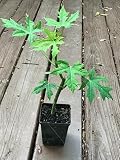
Care Guide: Planting, Soil & Watering
Overview: This fragrant evergreen Mexican orange grows in full sun to light shade in temperate and subtropical gardens. It likes fertile, slightly acidic, well-drained soil and a moderate to generous supply of water.
Quick Care Requirements
| Requirement |
Ideal Condition |
| Planting Season |
Spring to summer |
| Growth Rate |
Moderate |
| Soil Type |
Fertile, slightly acidic, well-draining |
| Soil pH |
Slightly acidic |
| Water Need |
Moderate to high – keep evenly moist, never waterlogged |
Planting & Establishment
- Best Planting Season: From spring to summer.
- How to Plant:
- Hole Preparation: Dig a hole about twice the width of the root ball and just as deep, loosening the sides so young roots spread easily.
- Soil Amendments: Work in compost or leaf mould to enrich the soil and keep it slightly acidic; avoid lime.
- Planting Depth: Set the plant so the root collar sits level with the surrounding soil; never bury the stem or trunk base.
- Growth Speed & Expectations: A moderate grower forming a rounded, aromatic shrub 1.2-2.5 m tall.
Soil, Watering & Drainage Care
- Soil Mix & Drainage Needs: Grow in fertile, free-draining soil on the slightly acidic side, enriched with organic matter. Sharp drainage prevents root rot while steady moisture keeps the evergreen foliage lush. It also grows well in a large container of good potting mix.
- Watering Schedule & Technique:
- Young / Newly Planted: Water generously and keep the soil consistently moist while the plant roots in; do not let it dry out.
- Established: Maintain steady moisture with regular deep watering, easing off just enough to avoid waterlogging.
- Seasonal Adjustments: Water frequently through warm, active growth and reduce in winter, keeping the soil only just moist.
Growing in Pots, Balconies & Indoors
Choisya (Mexican orange blossom) is an evergreen garden shrub of 1.2-2.5 m (4-8 ft). It is an outdoor plant, not a houseplant, but it grows well in a large container on a balcony, terrace or patio where its scented flowers and aromatic leaves can be enjoyed up close.
Quick Details
- Container Size: A large, stable pot – the bigger the better for a long-term shrub (general guidance)
- Indoor Suitability: Not a houseplant; it is a hardy outdoor shrub that needs real outdoor light and air
- Best Spot: Full sun to half shade, sheltered from harsh cold wind
- Soil & Drainage: Aerated, organic-rich mix that drains freely
- Watering in Pots: Average to generous – keep evenly moist; container plants dry faster than those in the ground
Indoors & On the Windowsill
- Not for indoors: The grower does not recommend it as a houseplant – it is a shrub that belongs outside and will not thrive in a room.
- Cold climates: It is fairly hardy, so a potted specimen usually stays outdoors; in the harshest areas move the pot to a sheltered wall or an unheated but bright porch over winter.
On a Balcony or Patio
- Light & wind: A sunny-to-part-shaded, sheltered spot brings the best flowering; screen it from cold, drying winds. Keep the heavy pot where its weight is supported and where drainage runoff can escape.
Choosing the Pot, Soil & Long-Term Care
- Pot & drainage: A large pot with strong drainage holes; skip a standing saucer to avoid root rot. Glazed or plastic pots hold moisture longer than terracotta, useful for a thirsty shrub.
- Potting mix: Use a well-aerated, organic-rich mix – potting compost with perlite or vermiculite (or peat/coir blended with grit) so water drains freely.
- Feeding: Potted plants are fed more often than those in the ground because nutrients wash out with each watering – a balanced liquid feed through the growing season keeps them going.
- Repotting: Refresh the mix or pot up about every two years; for perennials, lightly prune the root ball and top growth when you do.
- Pruning: A light trim after flowering keeps a container specimen compact and bushy.
Bloom & Flower Guide
Quick Details
- Bloom Season: Spring into summer, often with a lighter second flush in late summer or autumn
- Flower Appearance: Fragrant white (sometimes pink-flushed) star-shaped flowers with five petals, held flat in loose clusters
- Edibility: Ornamental only – grown for its scent and glossy foliage, not for eating
Detailed Blooming Overview
Choisya (Mexican orange blossom) is an evergreen shrub of the citrus family, and its flowers carry a sweet, orange-blossom fragrance to match. The starry white blooms open in spring and early summer, smothering the glossy aromatic foliage, and a well-fed plant often repeats more lightly later in the season.
Flower Characteristics
- Star-shaped, five-petalled flowers in white or soft pink, borne flat in clusters
- Strongly and sweetly fragrant, like orange blossom
- A good nectar source that attracts bees
Bloom Care & Thinning
- Managing the bloom: a light trim just after the main flush keeps the shrub neat and can encourage a second showing; avoid hard pruning in late autumn
- Site: full sun to part shade with shelter from cold, drying winds gives the fullest flowering
- Pollination: the fragrant flowers draw bees and other pollinators
Pruning, Training & Seasonal Maintenance
Choisya (Mexican orange) is a naturally rounded, mounding evergreen shrub that needs only light, shape-focused pruning rather than hard structural work. Because its fragrant star-shaped flowers form mainly on wood grown the previous season, the safest and most effective time to cut is immediately after the main spring flowering flush finishes – pruning later, in autumn or winter, removes developing flower wood and can expose fresh growth to frost in this shrub’s cooler hardiness range. Pruning mostly affects flowering and overall shape rather than plant size, since Choisya stays naturally compact within its 1.2–2.5m mature spread.
Quick Pruning & Maintenance Specs
| Pruning Tolerance |
Moderate to High (tolerates hard renewal cuts when needed) |
| Primary Pruning Window |
Immediately after the main spring/early-summer flowering flush |
| Secondary Maintenance Window |
Light tidy-up of dead or frost-damaged tips once new growth begins |
| Typical Frequency |
Once a year for shaping; hard renewal only occasionally, when the shrub gets leggy |
| Main Objective |
Maintain a natural rounded habit, encourage strong flowering, keep size in bounds |
| Young Plant Priority |
Minimal – light tip pinching to build a bushy, multi-stemmed shape |
| Mature Plant Priority |
Post-flowering shaping plus occasional renewal of old, bare interior stems |
| Best Tool Type |
Bypass secateurs for selective cuts |
| Avoid Heavy Pruning During |
Autumn and winter (removes next spring’s flower buds and risks frost damage to new growth) |
Pruning by Plant Age & Size
Newly Established
Leave largely unpruned in the first year or two beyond removing any damaged or dead growth from transplanting; let the shrub develop its natural rounded form before any shaping begins.
Young / Formative
No formal training system is used – Choisya is left to develop its natural mounded shape. Light tip-pinching after the first flowering flush encourages a bushier, denser habit rather than a few long, sparse stems.
Mature / Established
Annual post-flowering trim to hold shape and size; periodically remove a few of the oldest, least productive interior stems at the base to prevent the shrub from becoming bare and woody in the centre, and to let light reach lower growth.
Seasonal Pruning Schedule
Post-Flowering
Objective: control size and shape while preserving next year’s bloom. Remove: faded flower clusters and light shoot tips just beyond them, plus any crossing or awkwardly placed stems. Do not remove: healthy current-season growth that will mature into next year’s flowering wood. Expected response: bushier regrowth, often with a lighter secondary flush of flowers later in the season. Flowering impact: minimal to positive, since pruning at this point does not sacrifice the following spring’s buds.
Ongoing Sanitary
Objective: plant health and tidiness. Remove: dead, frost-blackened, or snail/slug-damaged leaves and stems whenever seen. Do not remove: living wood with developing buds. Expected response: reduced dieback and fewer entry points for rot.
Flowering & Fruiting Wood
Choisya blooms mainly on wood produced the previous season, with its main flush in spring and, in mild climates, a lighter repeat flush on new growth in early autumn. Because next spring’s flowers are set on growth made after the current bloom, pruning right after flowering gives that new wood a full season to mature and form buds. Pruning in autumn or winter cuts into this developing wood, reducing or eliminating the following spring’s display, and can also trigger soft new growth that is vulnerable to frost since the plant is only reliably hardy to about zone 7.
Structural Pruning & Training
No formal training framework applies – the goal is to preserve Choisya’s natural rounded, mounding habit rather than impose a leader or trained form. On mature plants, remove any crossing, rubbing, or strongly inward-growing stems to keep the canopy open enough for flowers to show well and air to move through the foliage. Light thinning of a few older interior stems helps prevent a hollow, bare-based look over time, but avoid removing so much wood that flowering is significantly reduced in a single year.
Special Growth to Remove
No grafting is used in propagation, so rootstock suckers do not apply. Trim off faded flower clusters for tidiness if desired, though deadheading is not essential to rebloom. Remove dead, frost-damaged, or snail/slug-chewed leaves and stems as they appear, since damaged tissue is the main entry point for dieback in this shrub.
Container & Small-Space Pruning
Choisya grows well in containers. In a pot, favour lighter, more frequent shaping right after flowering over one large annual cut, since restricted roots support less regrowth than an in-ground plant. Go easier on hard renewal cuts in containers than in open ground, and prioritise keeping the shrub at a compact size the pot’s root volume can comfortably sustain.
Tools
Bypass secateurs are the main tool, used for selective cuts on stems up to about 1.5cm across. Loppers handle thicker old basal stems during renewal work. A small pruning saw is only needed for the thick, woody base of a very overgrown specimen being hard cut back. Hedge shears are not appropriate – shearing this shrub into a formal outline stubs out flowering wood and spoils its fragrant display.
Tool Hygiene & Disease Risk
Routine risk. No transmissible disease is documented for Choisya beyond general snail/slug feeding, so clean, sharp tools are sufficient; there is no need for between-cut disinfection.
Cut Placement & Technique
Make thinning cuts back to a healthy side shoot or bud, angled just above an outward-facing bud to keep the centre open. For renewal cuts on older stems, cut back to just above a lower shoot or dormant bud low on the stem to encourage fresh growth from that point. Avoid flush cuts and long stubs on woodier stems.
Heavy Pruning & Rejuvenation
Well tolerated. An overgrown, leggy, or frost-damaged Choisya can be cut back hard, to roughly 30–60cm (12–24in) from the ground, in spring as new growth resumes. Expect vigorous regrowth but the loss of that season’s flowers. On a large, prized specimen, spreading a hard renovation over two seasons – cutting back half the shrub at a time – keeps some flowering going while the plant recovers.
Post-Pruning Care
Water normally; extra feeding is not needed since the plant is already primed to push vigorous regrowth after a hard cut. Watch new flushes of tender growth for snail and slug grazing, the main documented pest, and check that any large cuts on older wood are drying cleanly rather than showing dieback.
Common Pruning Mistakes
- Pruning in autumn or winter, which removes developing flower wood and exposes soft new growth to frost.
- Shearing into a tight, formal outline, which stubs out flowering shoots and ruins the shrub’s natural fragrant display.
- Delaying renewal pruning for years until the shrub is bare and heavily woody at the base, making recovery slower.
When NOT to Prune
- During autumn and winter – removes next spring’s flower buds and risks frost damage to any resulting new growth.
- While the plant is actively flowering – wait until the flush finishes.
- During drought stress or extreme summer heat, when hard cuts are best postponed until the plant is well watered.
Recommended Tools (by task)
- bypass_secateurs – primary tool for post-flowering shaping and selective renewal cuts on stems up to about 1.5cm.
- loppers – for thicker old basal stems when renewing or hard cutting back a mature shrub.
- pruning_saw – only for the thick woody base of a very overgrown specimen undergoing hard rejuvenation.
Pruning Troubleshooting
| Problem |
Possible Cause |
What to Check |
Corrective Action |
| Little or no flowering after pruning |
Pruned in autumn or winter, removing developing flower wood |
Timing of the last prune relative to the spring bloom |
Shift pruning to immediately after next spring’s flowering |
| Bare, leggy growth low on the plant |
Years of only light tip trims with no renewal |
Age and density of the oldest interior stems |
Thin or hard-cut the oldest stems back in spring to spur fresh basal growth |
| Dieback after a hard cutback |
Cut back late in the season or while the plant was drought-stressed |
Timing of the cutback and recent watering/weather |
Limit hard cuts to spring on a well-watered, unstressed plant; trim any dead stubs back to live wood |
| Sparse, patchy flowering after shaping |
Sheared into a tight formal outline instead of selectively pruned |
Whether hedge shears or formal shearing were used |
Switch to selective secateur cuts after flowering rather than overall shearing |
Pests, Diseases & Troubleshooting
Overview: Choisya is an aromatic, glossy-leaved evergreen shrub (a citrus relative) that is refreshingly robust and largely pest-free; its aromatic oils deter many insects. The real issues are cultural — root rot in wet soil, and yellowing or dieback from cold, waterlogging or scorch — with snails, mites and scale only minor and occasional.
Quick Troubleshooting Overview
| Issue / Pest |
Main Symptom |
Primary Solution |
| Root rot |
Yellowing, wilt, dieback in wet soil |
Sharp drainage; ease watering |
| Snails & slugs |
Grazed notches in soft new leaves |
Handpick; barriers |
| Spider mites |
Stippled, dull leaves against hot walls |
Hose; oil/soap |
| Scale |
Bumps on stems, sooty mould |
Scrape; horticultural oil |
| Aphids |
Curled new tips, honeydew |
Water jet; soap |
| Leaf yellowing |
Chlorotic or blackening leaves |
Fix drainage/pH; shelter from cold |
Common Pests & Management
- Snails & slugs (Gastropoda):
- Symptoms: Irregular notches and holes chewed in soft new growth, with slime trails, mainly in damp shaded spots.
- Prevention & Control: Hand-pick after dark, clear damp hiding places, and ring plants with grit, copper tape or iron-phosphate bait; the tough mature leaves are rarely touched.
- Spider mites (Tetranychus urticae):
- Symptoms: Fine pale stippling on leaves, a dull bronzed look, and fine webbing on undersides in hot, dry conditions. Leaves dry and drop as numbers build.
- Prevention & Control: Raise humidity and hose down foliage to break the cycle; mites thrive on dry, dusty plants. Release predatory mites where practical, and treat with insecticidal soap or horticultural oil, coating leaf undersides over repeat applications.
- Scale insects (Coccidae / Diaspididae):
- Symptoms: Immobile brown, tan or white bumps on stems and leaf undersides; sticky honeydew and blackish sooty mould on soft scale. Growth slows and leaves yellow.
- Prevention & Control: Scrape off light infestations by hand and prune heavily-encrusted stems. Smother the rest with horticultural or neem oil, covering undersides; repeat to catch mobile crawlers. Conserve parasitic wasps and ladybirds.
- Aphids (Aphidoidea):
- Symptoms: Clusters of small green, black or grey soft-bodied insects on new shoots, buds and leaf undersides; curled distorted growth, honeydew and sooty mould.
- Prevention & Control: Blast off with a strong jet of water and squash colonies early. Encourage ladybirds, lacewings and hoverflies; avoid excess nitrogen that fuels soft growth. Use insecticidal soap or neem for stubborn outbreaks, sprayed in the evening to spare pollinators.
Diseases & Fungal Issues
- Root & crown rot (Phytophthora / Pythium / Rhizoctonia spp.):
- Symptoms: Wilting despite moist soil, blackened mushy roots or stem base, yellowing lower leaves and collapse. Choisya strongly dislikes heavy, wet, poorly drained soil — root and crown rot is its main disease.
- Treatment & Management: This is a water-management disease first: plant in free-draining soil, avoid waterlogging and never let pots stand in saucers of water. Remove and destroy collapsed plants, improve drainage, and drench with a labelled biofungicide only as a support measure.
- Leaf spot / blackening (Fungal (various)):
- Symptoms: Brown or blackish blotches on leaves, often on plants stressed by cold, wet soil or waterlogging.
- Treatment & Management: Improve drainage and airflow, remove affected leaves, and address the underlying cold/wet stress; fungicides are seldom needed once conditions improve.
- Sooty mould (Capnodium spp.):
- Symptoms: Black film on leaves growing on honeydew from scale or aphids.
- Treatment & Management: Control the sap-suckers producing honeydew and the mould weathers off; rinse foliage to help.
Growing Difficulties & Abiotic Problems
- Root rot from wet soil (main issue):
- Cause & Symptoms: Yellowing, wilting and branch dieback where the shrub sits in heavy, waterlogged ground.
- Correction Strategy: Plant in free-draining soil, avoid wet hollows and overwatering, and improve heavy ground with grit and organic matter before planting.
- Cold, wind & frost damage:
- Cause & Symptoms: Leaf yellowing, browning or blackening and dieback after hard winters or cold drying winds.
- Correction Strategy: Site in a sheltered spot in cold areas, avoid frost pockets, and prune out damaged wood in spring once new growth appears.
- Chlorosis & sun scorch:
- Cause & Symptoms: Yellowing leaves on alkaline or waterlogged soil, or bleached scorch on golden-leaved forms in fierce sun.
- Correction Strategy: Correct drainage and use chelated iron if needed; give golden cultivars light shade from the hottest sun to prevent scorch, and green forms full sun to part shade.
What Helps — Products & Tools
Choisya needs little beyond good drainage and shelter. Keep iron-phosphate bait or grit for slugs and snails, insecticidal soap and horticultural/neem oil for the rare mite, scale or aphid, and chelated iron for chlorosis on limy soils; disease is prevented culturally, not sprayed.
Propagation Guide
Choisya (Mexican orange) is most reliably and most commonly propagated from semi-ripe stem cuttings, which is how named selections are kept true to type; raising the plain species from seed is possible but slower and less predictable. Propagation is moderately easy with basic cutting technique.
Quick Propagation Specs
| Best Propagation Method |
Semi-ripe stem cuttings |
| Alternative Methods |
Seed (species only, not named forms) |
| Propagation Difficulty |
Moderate |
| Seed True-to-Type |
Usually true-to-type for the species; cultivar-dependent for named selections |
| Vegetative True-to-Type |
Yes |
| Best Propagation Season |
Summer for cuttings; spring for seed |
| Seed Germination Time |
Often slow and irregular, several weeks to a few months |
| Cutting Rooting Time |
Typically several weeks to about two months |
| Germination Temperature |
Warm, roughly 18-24°C (64-75°F) |
| Seed Sowing Depth |
Shallow, just covered |
Growing from Seed
Seed Handling & Viability
Use fresh seed where possible; named Choisya selections will not come true from seed, so seed is mainly a route to grow the plain species.
Sowing Season
Spring, aligning with this plant’s main planting/growth season.
Germination Conditions
Warm temperatures and consistently moist, well-drained soil.
Germination Time
Germination can be slow and uneven, sometimes taking several weeks to a few months.
Stem Cuttings
Cutting Type
Semi-ripe cuttings taken from the current season’s growth once it has begun to firm at the base.
Best Timing
Summer, after the main flush of spring growth has hardened slightly.
Cutting Preparation
Take a short side-shoot cutting, trim just below a node, and remove the lower leaves.
Rooting Setup
Insert into a free-draining, fertile, slightly acidic cutting mix (matching this plant’s preferred soil) and keep humid and out of direct sun until rooted.
Rooting Hormone
Optional; a rooting hormone can improve and speed rooting but is not strictly required.
Rooting Time
Usually several weeks to about two months.