How to grow Cinnamomum burmannii

Cinnamomum burmannii grow and care – tree of the genus Cinnamomum also known as Indonesian cinnamon or Batavia cassia, Cinnamomum burmannii is perennial evergreen plant, used for the edible leaves (as spices) and edible bark also used as ornamental plant for the fragrant also possible to grow it as bonsai, can grow in mediterranean, subtropics or tropics climate and growing in hardiness zone 10b+ but with the right care can grow in hardiness zone 10a.

Cinnamomum burmannii Plants, Seeds & Supplies for Sale

As an Amazon Associate I earn from qualifying purchases.

Big Cinnamon (Cinnamomum verum) Canela Live Tropical Tree (2ft) Plant
Big Cinnamon (Cinnamomum verum) Canela Live Tropical Tree (2ft) PlantCheck Price on Amazon
Cinnamon (Cinnamomum verum) Canela Live Tropical Tree (10-24”) Plant
Cinnamon (Cinnamomum verum) Canela Live Tropical Tree (10-24”) PlantCheck Price on Amazon
Cinnamon (Cinnamomum verum) Canela Live Tropical Tree (12inch-24inch) Plant
Cinnamon (Cinnamomum verum) Canela Live Tropical Tree (12inch-24inch) PlantCheck Price on Amazon

Cinnamomum burmannii edible bark and leaves

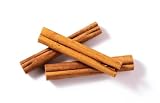
Bark edible color brown mostly the useful part, the bark fall from the mature trunk sometimes need help.

Leaves edible, can be used for flavor of the leaves, fragrant but week smell.

Flowers small color yellow, flowers grow on stalk in inflorescence.

Cinnamomum burmannii for sale – Seeds or Plants to Buy

How to grow Cinnamomum burmannii growing and care:

Warm climate, moist soil, mulch especially when the tree is young

How to care:
Add fertilizer once a year and when the tree is young better to fertilizer with high content of nitrogen, put mulch before the winter but when the tree young it’s important to put mulch to keep the soil moist

What is the best way to start growing?
Plant / Seed / Vegetative Reproduction propagating by cutting or air layer, propagation by cutting, when start from branch need to choose brown fully grown use hormones that fit for woody branches, need to keep high humidity, moist soil and if put it in close box need to ventilate air at least twice a day, watering by spraying and tale care don’t let it dry.

Advertisement

Is it necessary to graft or use vegetative reproduction?
No, but possible to start from cutting or air layer and when the plant get the right condition it is possible and it’s hard to start by cutting

Difficulties or problems when growing:
Contain toxic (courmarin)

Planting season:
Spring to autumn but in hardiness zone of 10a plant in spring, hardiness zone 10b spring to summer, hardiness zone 11 spring to autumn, hardiness zone 12+ all year

How to plant:
Dig a hole bigger 30-50% than the roots ball, possible to cut little bit the roots depend the condition of the tree, cutting can help the tree to send new roots and establish better, put in the hole organic matter, humus and dead leaves and mix it with the soil, after this put the tree and cover lightly, if the tree need care support use bamboo or other kind of cane and cover the soil with mulch, if the tree is not stable consider to prune, water it twice in the first day and every day for two weeks.

Pests and diseases:
Aphids, brown spots

Pruning season:
All year

How to prune:
Week, dead branch, design in the plant with one or few main trunk it’s important for harvest because if will be a lot of little branches and not main trunk it will be hard to harvest and it will take more years.

Size of the plant:
4-7 m, 12-21 feet

Growth speed in optimal condition:
Medium growing / Slow growing

Advertisement

Water requirement:
Average amount of water – prefer regular amount of water with humidity and moist soil / Big amount of water

Light conditions in optimal condition for growing:
Full Sun / Half Shade

Is it possible to grow as houseplant indoor?
No, but possible to grow it indoor on the window with sun

Growing is also possible in a planter, flowerpot or containers:
Yes, start with small pot 20-30% bigger than the roots ball, every time that switch the container to bigger switch some of the soil to new soil until arrive to the desirable container size, after that every few years better to switch part of the soil and cut some roots, no need to take the plant out just from the side of the container, soil can be used potting soil or mixture of peat soil and perlite, water it regularly and care when put bottom for the pot be aware not to let the water stay there more than one day and do not over water it’s destroy the soil and the roots, it’s not like to grow outdoor overwater will destroy the soil, need to add hummus few time a year.

Blooming information

Bloom season?
Autumn / Winter / Spring

General information about the flower:
Small flower in yellow color

Pollination is done by:
Bees

Thinning the bloom:
There is no need in the blossom unless need seeds and as long as the tree young it’s better to cut the bloom stems

Edible leaves

Leaves harvesting season:
All year but in cold winter better not in the winter

How to harvest the leaves?
After tree establish root it doesn’t matter as long as you leave enough leaves on the tree

Information about leaves:
Light to dark green depend on the sun exposure , shiny oval leaves

Uses of Cinnamon leaves:
Beverage, fragrance, cooked, herb

Edible bark

When to harvest bark?
All year, but better in the spring

How to harvest bark?
After tree establish every year it’s possible to cut vertical line in the bark and wait until it disconnect from the tree, another option it’s to wait until the tree will take off the bark

Information about the bark:
Brown bark and it’s used after dry

Uses of the bark:
Beverage, fragrance, cooked, spice, herb

Vegetative Reproduction

How to make Vegetative Reproduction?
Cutting

The time for vegetative reproduction:
Spring / Summer

How much time does it take to grow roots in vegetative reproduction?
3-6 weeks, but can take much longer, as long as the branch still show sign of a live it’s still possible

What is the treatment for vegetative reproduction?
Moist, wet soil, half shade, high humidity, better to keep the plant in fog

How to grow Cinnamomum burmannii from seeds

Sowing requirement:
Seeds are yellow with a brown bark, in the wild the seeds pass through the digestive of an animal, to simulate this situation rub the seeds and remove some of the bark, also recommend to sow in slightly acidic soil.

How to plant cinnamon seeds:
Dig hole bigger than the seeds cover lightly and better to cover it with vermiculite for better result

Saving seeds care until sowing:
Dry and dark place, room temperature

Sowing season:
Spring to summer in hardiness zone 9-10a, spring to autumn hardiness zone 10b-11, all year in hardiness zone 12+.

Plant spacing:
Potted in different pot, for plantation 4*5m (13*16 feet)

How deep to sow the seed?
1-2 cm (0.25-0.5inches) from the top

Seeding conditions:
Rich soil, moist, half shade

Watering the seeds:
Average amount of water

Germination time:
20-30 day but can be more than 4 months

Condition of the sprout:
Moist, mulch, high humidity

Do the seeds require burying?
No

Scientific name:

Cinnamomum burmannii

Alternative names: Cinnamomum burmanni, Indonesian cinnamon, Padang cassia, Batavia cassia, Korintje, Burmannii cinnamon

How to grow Cinnamomum burmannii

Categories

Blooming Seasons
  • Autumn flowers
  • Winter flowers
Edible Parts
  • Edible leaves
  • Edible Stem / Wood
Culinary uses
  • Beverage
  • Cooked
  • Herbs
  • Spices
Flower colors
  • Yellow flower
Climate
  • Mediterranean Climate
  • Subtropics Climate
  • Tropics Climate
Harvest Season
  • Autumn Harvest
  • Spring Harvest
  • Summer Harvest
  • Winter harvest
Ornamental parts
  • Ornamental leaves
  • Ornamental plant
Plant growing speed
  • Average growing plants
  • Slow growing plants
Plant life-form
  • Evergreen
  • Perennial plant
  • Tree
Plant Uses
  • Edible plants
  • Fragrance
  • Ornamental plants
Planting Season
  • Autumn Planting
  • Spring Planting
  • Summer planting
Plants sun exposure
  • Full sun Plants
  • Part shade Plants
Watering plants
  • Big amount of water
  • Regularly water
Hardiness zone
  • Hardiness zone 10
  • Hardiness zone 11
  • Hardiness zone 12
  • Hardiness zone 13

Care Guide: Planting, Soil & Watering

Overview: Cinnamomum burmannii (Indonesian cinnamon / Batavia cassia) is a warm-climate evergreen tree that prefers rich, moist, well-draining soil in full sun to part shade. It likes steady moisture and humidity with mulch to keep the roots cool and damp, especially while young, but never waterlogged.

Quick Care Requirements

Requirement Ideal Condition
Planting Season Warm season — timing shifts with hardiness zone (see below)
Growth Rate Slow to Moderate
Soil Type Rich, moist, well-draining, organic
Soil pH Slightly acidic
Water Need Moderate to High — keep evenly moist, never waterlogged

Planting & Establishment

  • Best Planting Season: Plant in the warm season: in zone 10a plant in spring; 10b spring–summer; 11 spring–autumn; year-round in 12+.
  • How to Plant:
    • Hole Preparation: Dig a hole 30–50% larger than the root ball; you can lightly trim the roots to encourage new root growth and better establishment.
    • Soil Amendments: Mix organic matter, humus and dead leaves into the backfill; mulch after planting to keep the soil moist — this is especially important while the tree is young.
    • Planting Depth: Cover the root ball lightly and firm the soil gently, keeping the root collar at soil level — do not bury the trunk. Stake a young tree with a cane if it is not stable.
  • Growth Speed & Expectations: A slow-to-moderate grower; give it warmth, humidity and steady moisture to establish well.

Soil, Watering & Drainage Care

  • Soil Mix & Drainage Needs: Rich, moisture-retentive but free-draining soil. In containers use potting soil or a peat-and-perlite mix with good drainage holes, and never let water sit in the saucer more than a day — overwatering ruins the soil and rots the roots.
  • Watering Schedule & Technique:
    • Young / Newly Planted: Water twice on planting day, then daily for about the first two weeks to settle the roots.
    • Established: Keep the soil consistently moist with regular deep watering and good humidity; let the surface only just begin to dry between waterings, and never let it dry out.
    • Seasonal Adjustments: Water more in hot, dry weather; ease off in cool winter conditions, and mulch before winter to protect the roots.

Growing in Pots, Balconies & Indoors

Indonesian cinnamon (Cinnamomum burmannii) (Cinnamomum burmannii) is a large aromatic tree, so it isn’t a true houseplant – but the grower confirms it can be grown in a pot and kept indoors right by a sunny window while young. In a big container it makes a handsome patio or conservatory plant for a few years before it eventually wants the open ground or a large greenhouse.

Quick Details

  • Container Size: Start small – a pot about 20-30% wider than the root ball – and pot up in stages toward a large tub
  • Indoor Suitability: Not a deep-room houseplant, but it will grow indoors at a bright, sunny window
  • Best Spot: Full sun to light/part shade; the brightest, warmest position you can give it
  • Soil & Drainage: Potting soil, or a peat/coir and perlite mix; must drain freely
  • Watering in Pots: Keep the mix evenly moist but never waterlogged – potted roots rot if water stands

Indoors & On the Windowsill

  • Houseplant limits: As a forest tree it won’t thrive deep inside a room where light is weak.
  • At a sunny window: The grower notes it can be grown indoors against a window that gets real sun – keep it in the brightest spot and turn it now and then so it grows evenly.
  • Overwintering: It is frost-tender, so in cold climates growing it in a pot lets you bring it into a bright, frost-free room or conservatory for the cold season.

On a Balcony or Patio

  • Light & warmth: Give it the sunniest, most sheltered corner; walls and paving reflect warmth it enjoys, but they also dry pots fast – check moisture often in hot weather and shelter the crown from strong wind.
  • Practicalities: A large tub gets heavy, so set it in place (ideally on pot feet) before filling, and allow for drainage runoff.

Choosing the Pot, Soil & Long-Term Care

  • Pot & drainage: Use a pot with strong drainage holes; skip a permanently full saucer to avoid root rot. Terracotta breathes and dries faster, while glazed or plastic holds moisture longer.
  • Potting mix: A well-aerated, organic mix – potting soil or peat/coir with perlite for drainage.
  • Feeding: Potted plants need feeding more often, as watering leaches nutrients away; the grower adds humus (compost) a few times a year.
  • Repotting: Refresh part of the mix and lightly root-prune every few years to keep it healthy in the same tub.

Grower’s Container Tip

  • Pot up in stages and refresh the soil: Start in a small pot only about 20-30% larger than the root ball. Each time you move to a bigger container, replace some of the old soil with fresh mix, continuing in steps until you reach the final pot size. After that, every few years refresh part of the soil and trim some of the roots – you don’t need to lift the whole plant, just work in from the side of the pot. Use potting soil or a mix of peat and perlite.
  • Water carefully: Water regularly, but if you stand the pot on a saucer never let water sit there more than a day – unlike open ground, in a pot overwatering breaks down the soil and rots the roots. Add humus (compost) a few times a year.

Bloom & Flower Guide

Quick Details

  • Bloom Season: Autumn, winter and spring
  • Time to First Bloom: Several years, once the tree is well established
  • Flower Appearance: Small, pale-yellow flowers in loose clusters
  • Edibility: The flowers are not used – the tree is grown for its bark and leaves, covered elsewhere

Detailed Blooming Overview

Indonesian cinnamon, or Batavia cassia, is grown for its aromatic bark and leaves. Its bloom is unassuming – small, pale-yellow flowers in loose clusters, faintly scented compared with the spice from the bark.

Flower Characteristics

  • Small flowers in a soft yellow.
  • Borne in loose clusters.

Bloom Care & Thinning

  • Thinning the bloom: There is no need to keep the flowers unless you want seed; on a young tree it is better to cut the flowering stems so its energy goes into growth.
  • Pollination: Carried out by bees.

Pruning, Training & Seasonal Maintenance

Cinnamomum burmannii is the most compact of the Cinnamomum species in this collection, typically 4–7 m versus 4–20 m for its relatives, and like the other true bark-spice species is best trained while young to one or a few main trunks — the plant’s own guidance is explicit that letting it branch into many thin stems instead makes eventual bark harvest slower and harder. Its smaller stature means routine maintenance stays within reach of hand tools even at maturity.

Quick Pruning & Maintenance Specs

Pruning Tolerance Low–Moderate
Primary Pruning Window All year in frost-free climates
Typical Frequency Light, once or twice a year once established
Main Objective Train/maintain one to a few main trunks for bark accessibility; remove weak/dead wood
Young Plant Priority Select one to three main leaders early; remove competing thin stems
Mature Plant Priority Maintain the trunk structure; remove crossing/weak wood
Best Tool Type Secateurs to loppers — rarely needs a saw given its smaller mature size
Avoid Heavy Pruning During Right after transplanting

Pruning by Plant Age & Size

Newly Established

Minimal — remove only damaged growth.

Young / Formative

Select and keep one to three main trunks, removing competing weak stems early — stated directly in the plant’s own care guidance as important for making later bark harvest practical.

Mature / Established

Maintenance only — remove weak, dead, or crossing branches. The trunk framework set while young shouldn’t need major rework, given the tree’s modest final size.

Seasonal Pruning Schedule

Active-Growth Maintenance

Objective: keep the selected trunks clean. Remove: dead, weak, and crossing wood, tolerated most of the year in a frost-free climate.

Ongoing Sanitary

Remove storm-damaged or spot-affected foliage as seen.

Structural Pruning & Training

Few-main-trunk training while young is the priority, directly supporting later bark access — the same logic used on the genus overview page, and appropriate here since this species is explicitly grown and harvested the same way, just at a smaller mature scale.

Special Growth to Remove

  • On a young tree, flower stems if seed isn’t wanted.
  • Competing thin stems that would crowd out the selected one to three main trunks.
  • Dead or weak wood at any age.

Container & Small-Space Pruning

Its smaller mature size makes it a more realistic long-term container or small-garden option than the larger Cinnamomum in this collection. Keep to a single trunk and use light tip pruning to control size.

Tools

Bypass secateurs for young growth and thin wood; loppers for the occasional mid-size branch — a pruning saw is rarely needed given this species’ modest mature girth.

Tool Hygiene & Disease Risk

Routine — reported issues (aphids, brown spots) aren’t cut-transmitted; no special disinfection protocol is needed.

Cut Placement & Technique

When selecting leaders while young, cut competing stems flush to the trunk they arise from. Maintenance cuts thin back to a main stem, outside the branch collar.

Heavy Pruning & Rejuvenation

Not documented as routinely coppiced or hard-cut in general cultivation the way cassia and true cinnamon are — stick to the light framework-and-maintenance approach above.

Post-Pruning Care

Water normally after pruning. Watch cut surfaces for dieback, especially on a young tree still establishing its selected leaders.

Common Pruning Mistakes

  • Letting a young tree keep too many competing trunks instead of selecting one to three early — the plant’s own guidance flags this as a real harvest problem later.
  • Over-pruning a young, still-establishing tree.

When NOT to Prune

Avoid major structural cuts right after transplanting.

Recommended Tools (by task)

  • bypass_secateurs — young shoot and leader selection.
  • loppers — occasional mid-size branch thinning.

Pests, Diseases & Troubleshooting

Overview: Cinnamon trees are aromatic laurels grown for their bark and leaves and are, on the whole, tough and moderately pest-resistant, but they attract gall mites, leaf miners, scale and mealybugs, and are prone to leaf spot, anthracnose and — critically — Phytophthora-type stripe canker and root rot in wet soils. Airflow, drainage and sanitation are the foundation of management.

Quick Troubleshooting Overview

Issue / Pest Main Symptom Primary Solution
Cinnamon gall mite Wart-like leaf galls, distorted foliage Prune/remove galled leaves, oil, sanitation
Leaf miner Serpentine or blotch mines in leaves Remove leaves, sticky traps, parasitic wasps
Scale & mealybugs Bumps/cottony masses, honeydew, sooty mould Prune, horticultural oil, ant & beneficial control
Thrips Silvery flecking, leaf distortion Sticky traps, predatory mites, oil/soap
Leaf spot / anthracnose Brown-black spots, tip dieback Airflow, sanitation, copper fungicide
Stripe canker / root rot Dark bark cankers, wilt, root decay Drainage, avoid trunk wetting, phosphonate

Common Pests & Management

  • Cinnamon gall mite (Aceria doctersi / Eriophyes boisi):
    • Symptoms: Microscopic eriophyid mites induce small wart-like or pouch galls and thickened, distorted areas on leaves; heavy galling disfigures and weakens the flush prized for spice.
    • Prevention & Control: Prune out and destroy galled leaves and shoots as they appear, keep the tree vigorous and open, and remove fallen infested litter. Wettable sulfur or horticultural oil on new flush suppresses mite build-up; avoid killing the predatory mites that help control them.
  • Leaf miner (Conopomorpha spp., Phyllocnistis spp.):
    • Symptoms: Pale serpentine tunnels or blotches within the leaves, with silvery lower-surface mines; heavy mining on the tender flush distorts and browns young leaves.
    • Prevention & Control: Remove and destroy mined leaves, monitor adults with yellow sticky traps, and conserve parasitic wasps. Manage the tree for even, un-flushed growth; avoid unnecessary sprays that harm natural enemies.
  • Scale insects (Coccus viridis, Saissetia spp., Aspidiotus spp.):
    • Symptoms: Green, brown or waxy bumps on leaf veins, twigs and stems, with sticky honeydew and black sooty mould; heavy scale weakens shoots and yellows leaves.
    • Prevention & Control: Prune out and destroy encrusted material, and control the ants that farm scale. Conserve parasitic wasps and ladybirds. Horticultural oil smothers crawlers — cover leaf undersides and repeat for successive generations.
  • Mealybugs (Planococcus citri, Ferrisia virgata):
    • Symptoms: White cottony clusters in leaf axils, shoot tips and under leaves, with honeydew, sooty mould and stunted growth.
    • Prevention & Control: Dislodge with a water jet or horticultural oil/insecticidal soap, control tending ants, and conserve ladybirds and lacewings. Remove badly infested shoots.
  • Thrips (Thrips spp., Frankliniella spp.):
    • Symptoms: Silvery flecking and scarring on new leaves and distorted, curled shoot tips, worst on tender flush in warm dry weather.
    • Prevention & Control: Monitor with sticky traps, remove and destroy distorted tips, and conserve predatory mites and lacewings. Spot-treat with horticultural oil or insecticidal soap in the evening.

Diseases & Fungal Issues

  • Leaf spot & grey blight (Colletotrichum gloeosporioides, Pestalotiopsis spp., Cephaleuros):
    • Symptoms: Brown to greyish spots and blotches on leaves, sometimes with concentric zoning or pinkish spore masses (anthracnose) and rusty algal spots in humid shade; premature leaf fall in wet weather.
    • Treatment & Management: Open the canopy for airflow and light, remove and destroy affected leaves and litter, and avoid overhead wetting. Copper-based protectant fungicide during prolonged wet spells; keep the tree vigorous.
  • Stripe canker (Phytophthora cinnamomi):
    • Symptoms: Dark, sunken, sometimes weeping cankers and vertical streaks on the lower trunk and stems, with wilting and dieback above; this water-mould is a serious threat in wet, poorly drained ground.
    • Treatment & Management: Prevention first: plant in free-draining soil, keep irrigation and mulch off the trunk, and avoid waterlogging. Cut out and destroy cankered tissue, improve drainage, and use phosphonate (phosphorous-acid) treatments; remove trees that decline.
  • Root rot (Phytophthora spp., Rosellinia / Ganoderma spp.):
    • Symptoms: Wilting, thinning canopy, dieback and dark, decayed roots or basal rot on trees in heavy, wet soils; root-disease fungi can also invade stressed roots.
    • Treatment & Management: Ensure sharp drainage, plant on mounds where soil is heavy, and avoid over-irrigation. Remove severely affected trees and their roots, and improve soil before replanting; phosphonates help protect Phytophthora-threatened trees.
  • Pink disease (Erythricium salmonicolor (Corticium salmonicolor)):
    • Symptoms: A salmon-pink, crusty fungal film on branches in warm, very humid climates, girdling and killing limbs beyond the infection.
    • Treatment & Management: Prune out and destroy affected limbs well below the pink growth, improve canopy airflow, and paint or spray cut surfaces; a copper wash on susceptible trees during prolonged wet, humid weather helps.

Growing Difficulties & Abiotic Problems

  • Root and crown rot from overwatering:
    • Cause & Symptoms: Cinnamon resents wet feet; soggy soil rots roots and the collar, thinning the canopy and inviting Phytophthora.
    • Correction Strategy: Plant in free-draining soil, water deeply but allow the surface to dry, keep mulch off the trunk, and never let pots stand in water.
  • Cold and frost sensitivity:
    • Cause & Symptoms: These tropical laurels are frost-tender; cold snaps blacken young flush and can defoliate the tree.
    • Correction Strategy: Grow in a warm, sheltered, frost-free spot or move containers under cover in cold spells, and protect young trees.
  • Leaf scorch and wind burn:
    • Cause & Symptoms: Brown, crisp leaf edges from hot dry winds, drought or salty conditions, especially on exposed or container trees.
    • Correction Strategy: Provide shelter and even moisture, mulch the root zone, and flush salts occasionally from container mixes.
  • Nutrient chlorosis on alkaline soil:
    • Cause & Symptoms: Yellowing between the veins of new leaves on high-pH or poorly drained soils indicates iron/manganese lock-out.
    • Correction Strategy: Improve drainage, keep the soil slightly acidic, and apply chelated iron or a micronutrient foliar feed.

What Helps — Products & Tools

Manage cinnamon and camphor mainly by pruning, canopy airflow, drainage and sanitation. Useful products include horticultural oil and insecticidal soap (scale, mealybugs, thrips), wettable sulfur or oil on new flush (gall mite), yellow sticky traps (leaf miner and thrips), copper-based protectant fungicide (leaf spot, anthracnose, pink disease), and phosphonate (phosphorous-acid) treatments for Phytophthora stripe canker and root rot. Spray oils in the evening to protect pollinators.

Propagation Guide

Indonesian cinnamon is best started from seed — the site notes vegetative reproduction is not necessary and that cuttings are comparatively hard to root. Cuttings or air layering remain usable alternatives for propagating a particular tree. Overall difficulty: Moderate.

Quick Propagation Specs

Best Propagation Method Seed
Alternative Methods Semi-hardwood stem cuttings; air layering
Propagation Difficulty Moderate
Seed True-to-Type Mostly uniform for the species
Vegetative True-to-Type Yes
Best Propagation Season Sowing: spring–summer to all-year depending on hardiness zone; Cuttings/air layering: spring/summer
Seed Germination Time 20–30 days typically, but can take more than 4 months
Cutting Rooting Time 3–6 weeks, sometimes considerably longer
Seed Sowing Depth 1–2 cm (0.25–0.5 in)

Growing from Seed

Seed Handling & Viability

Seeds are yellow with a brown outer coat; store in a dry, dark place at room temperature until sowing.

Dormancy & Pre-Sowing Treatment

Rub the seed and remove some of the outer bark before sowing to simulate the seed coat’s natural breakdown in the wild, and sow in slightly acidic soil.

Sowing Season

Spring–summer in hardiness zone 9–10a, spring–autumn in zone 10b–11, all year in zone 12+.

Sowing Depth & Orientation

Dig a hole slightly larger than the seed, cover lightly, and finish with vermiculite for better results; depth is roughly 1–2 cm (0.25–0.5 in), no deep burying needed.

Germination Conditions

Rich, moist soil in half shade with average watering.

Germination Time

Usually 20–30 days, but can run longer than 4 months.

Seedling Care

Keep the sprout moist, mulched, and humid; start in individual pots, or space around 4×5 m (13×16 ft) for plantation-style sowing.

Stem Cuttings

Cutting Type

Semi-hardwood: choose a brown, fully grown branch rather than soft green wood.

Best Timing

Spring or summer.

Rooting Setup

Moist soil, high humidity; if kept in an enclosed box, ventilate at least twice a day and water by misting, taking care not to let the cutting dry out.

Rooting Hormone

Use a rooting hormone suited to woody branches, per the site’s own protocol.

Rooting Time

3–6 weeks, but can take considerably longer.

Air & Ground Layering

Air layering is a workable alternative to cuttings, under the same moist, half-shade, high-humidity conditions, and is likewise described as harder than growing from seed.