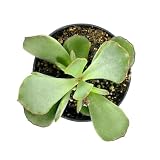
Care Guide: Planting, Soil & Watering
Overview: Cotyledon papillaris (Bear’s Paw) is a slow-growing succulent subshrub that thrives in full sun to light shade and gritty, well-draining soil. Like most succulents it stores water in its fleshy leaves and is drought tolerant, so it needs modest watering and sharp drainage to avoid rot.
Quick Care Requirements
| Requirement |
Ideal Condition |
| Planting Season |
Warm season — spring through autumn |
| Growth Rate |
Slow |
| Soil Type |
Well-draining, gritty succulent mix with some organic matter |
| Water Need |
Low to Moderate — water only once the soil has dried, and never leave it soggy |
Planting & Establishment
- Best Planting Season: Plant during the warm months, spring through autumn, while growth is active; it is frost-tender (hardy in about zones 10–12), so grow it in a pot that can be moved under cover where frost occurs.
- How to Plant:
- Hole Preparation: Dig a hole just wide enough for the root ball; these are small plants with modest roots.
- Soil Amendments: Blend coarse grit, pumice or sand into the soil for fast drainage, with a little compost for richness.
- Planting Depth: Set the plant so the base of the stem sits at soil level; do not bury the fleshy stem, which can rot if kept damp.
- Growth Speed & Expectations: Growth is slow — expect a compact plant of around 10-30cm (4-12 in) that fills out gradually.
Soil, Watering & Drainage Care
- Soil Mix & Drainage Needs: Use a gritty, free-draining succulent or cactus mix; in containers make sure there are drainage holes so water runs straight through and the roots never sit wet.
- Watering Schedule & Technique:
- Young / Newly Planted: Water lightly as the plant settles, letting the soil dry between waterings.
- Established: Water only when the soil has dried out and the leaves begin to soften slightly; take care not to overwater.
- Seasonal Adjustments: Reduce watering sharply in winter and cool weather, and water a little more often during warm, active growth.
Growing in Pots, Balconies & Indoors
Cotyledon papillaris is a compact, easy-going succulent (10-30 cm / 4-12 inches) that makes a fine houseplant and a neat container plant. It takes a wide range of light – from full sun to shade – so it adapts well to a bright indoor spot, a windowsill or a sheltered balcony.
Quick Details
- Container Size: A small-to-medium pot 15-30% bigger than the root ball; pot up a size when it fills out
- Indoor Suitability: Yes – a good, adaptable indoor succulent
- Best Spot: Very flexible – full sun, half shade or even full shade with good light; brighter light keeps it compact
- Soil & Drainage: Free-draining succulent/cactus mix or gritty potting mix; strong drainage
- Watering in Pots: Moderate – an average amount, letting the surface dry between waterings; don’t waterlog
Indoors & On the Windowsill
- A genuine houseplant: The grower confirms it grows well indoors. Its tolerance of lower light makes it forgiving in a room, though a bright spot keeps growth tight and the leaves well-colored.
- Windowsill: A bright windowsill is ideal; turn the pot now and then so it grows evenly.
- Safety: Cotyledon contains compounds that are toxic if eaten – keep it out of reach of children and pets.
On a Balcony or Patio
- Light: It handles full sun through to shade, so most balconies suit it; introduce it to strong sun gradually to avoid scorch.
- Practicalities: Small pots dry fast against warm walls – check moisture – and shelter it from prolonged heavy rain, which can rot a succulent in a pot.
Choosing the Pot, Soil & Long-Term Care
- Pot & drainage: A pot 15-30% bigger than the root ball with good drainage holes; avoid a standing-water saucer to prevent root rot. Terracotta breathes and dries faster (good for succulents), while glazed or plastic holds moisture longer.
- Potting mix: A gritty, free-draining succulent or cactus mix, or potting mix with added perlite/grit.
- Feeding: Feed lightly during active growth; potted plants need topping up more often as nutrients leach, but this is a light feeder.
- Repotting: Refresh the mix and pot up about every two years.
Bloom & Flower Guide
Quick Details
- Bloom Season: Winter and spring
- Time to First Bloom: On established plants, generally within a year or two
- Flower Appearance: Small orange or yellow bell-shaped flowers with star-shaped tips, in clusters on stems
- Edibility: Toxic — do not eat. Like other Cotyledon, all parts, including the flowers, contain cardiac glycosides
Detailed Blooming Overview
Cotyledon papillaris flowers through winter and spring, sending up slender stems topped with clusters of small, nodding bells. The colour and the tubular shape make them attractive to birds and insects, and they are a cheerful sight in the cooler months — but this is a plant to enjoy by eye only, not on the plate.
Flower Characteristics
- Small bell-shaped flowers in orange or yellow, the mouth opening into star-shaped lobes.
- Held in clusters on upright stems above the foliage.
Bloom Care & Thinning
- Managing the bloom: Full sun and sharp drainage suit it; it is very drought tolerant.
- Tidying up: Trim spent flower stems once they finish.
- Safety: All parts are toxic (cardiac glycosides, the cause of krimpsiekte in livestock); keep it away from children, pets and grazing animals, and never treat the flowers as edible.
Pruning, Training & Seasonal Maintenance
Cotyledon papillaris is a small, slow-growing succulent subshrub that needs very little pruning — its size stays modest (10–30 cm) on its own. The main task is removing spent flower stems once the winter–spring bloom finishes, plus occasional tip-pinching if a stem stretches thin from low light. Because it flowers on the current season’s rosette growth rather than aged wood, cutting has no bearing on next year’s flowering the way it would on a woody shrub — there is no framework to preserve or sacrifice.
Quick Pruning & Maintenance Specs
| Pruning Tolerance |
Low–Moderate (slow growing, limited regrowth capacity) |
| Primary Pruning Window |
After the winter–spring bloom finishes, to deadhead |
| Secondary Maintenance Window |
Any time, for damaged or overly stretched growth |
| Typical Frequency |
Light, a few times a year |
| Main Objective |
Remove spent flower stalks; keep the rosette compact |
| Young Plant Priority |
Pinch stretched (etiolated) tips to build a bushier base |
| Mature Plant Priority |
Deadhead; renew an overly bare, leggy base by cutting back or taking cuttings |
| Best Tool Type |
Precision snips with a clean blade |
| Avoid Heavy Pruning During |
Just before an expected frost; the species needs more than light frost protection |
Pruning by Plant Age & Size
Newly Established
Remove only leaves or stems damaged in transplanting; otherwise leave it to root in undisturbed.
Young / Formative
No structural training system applies to this small subshrub; if a young plant stretches (etiolates) toward light, pinch the tip to encourage side branching and a denser base.
Mature / Established
Deadhead consistently after flowering, and once a plant becomes leggy or bare at the base with age, cut back gradually or take stem/leaf cuttings to start a fresh, compact replacement rather than relying on the old base to fill back in.
Seasonal Pruning Schedule
Post-flowering (after the winter–spring bloom): objective is tidiness — remove the dead flower stalks; do not touch the rosette foliage itself; no impact on next season’s bloom since flowers form fresh on new growth. Ongoing sanitary (any time): remove damaged, rotted or badly etiolated stems as noticed.
Structural Pruning & Training
Light tip-pinching is the only “training” this plant needs, used to correct stretched growth and encourage branching from a subshrub base that can otherwise go leggy over a few years.
Special Growth to Remove
Spent flower stalks after bloom (an explicit care note for this species), and any thin, stretched (etiolated) stems produced under low light — pinching these back treats the symptom, but recurring legginess usually means the plant needs brighter light, not more pruning.
Container & Small-Space Pruning
Grown indoors or in a pot, keep it compact with light tip-pinching and bright light; if it still becomes leggy and unattractive, take fresh cuttings to start a new, compact plant rather than trying to hard-prune the old one back into shape.
Tools
Precision snips for pinching and deadheading the soft, fleshy stems. Use a clean, sharp blade for any propagation cuttings — a dirty cut is a common entry point for rot in succulent tissue.
Tool Hygiene & Disease Risk
Increased. Powdery mildew is a recorded issue for this species, and cut succulent tissue is prone to rot if handled with a dirty or dull blade; use a clean, sharp cut and let any propagation cuttings dry (callus) briefly before potting.
Cut Placement & Technique
Pinch or cut cleanly just above a leaf node. For cuttings taken for propagation, let the cut end callus (air-dry) for a day or two before placing it in soil, reducing the chance of basal rot.
Heavy Pruning & Rejuvenation
Not well suited to hard rejuvenation — this is a slow grower, so a severe cutback removes a large share of the plant’s limited growth and regrowth is slow. Renew an old, leggy specimen gradually over a season, or simply start fresh from a stem or leaf cutting instead.
Post-Pruning Care
Keep watering moderate (this species’ need is average, not high) and avoid wetting fresh cut surfaces; watch for aphids and powdery mildew on any stressed or newly cut growth.
Common Pruning Mistakes
- Leaving spent flower stalks to sit and rot in place, inviting fungal issues.
- Hard-pruning a slow grower and expecting a quick, full regrowth.
- Pruning or taking cuttings right before a cold snap, when this frost-sensitive species can least afford fresh, tender wounds.
When NOT to Prune
Avoid cutting shortly before an expected frost, since this species needs more than light frost protection and fresh wounds are more cold-vulnerable. Avoid heavy cuts during the active winter–spring flowering display.
Recommended Tools (by task)
- precision_snips — for deadheading spent flower stalks and pinching stretched tips.
- blade_disinfectant — to keep the cutting edge clean when taking propagation cuttings from succulent tissue prone to rot.
Pests, Diseases & Troubleshooting
Overview: As a leaf-and-stem succulent, this plant is naturally resilient and its number-one danger is not a pest but overwatering, which rots the stem and roots. The pests that do matter are sap-suckers — above all mealybug (including the hidden root form) — plus scale, spider mites, aphids and vine weevil. Grow it lean in a gritty, fast-draining mix with strong light and good airflow, inspect the crown and roots regularly, and treat problems early and organically.
Quick Troubleshooting Overview
| Issue / Pest |
Main Symptom |
Primary Solution |
| Overwatering / root & stem rot |
Soft, translucent, blackening stem or mushy roots; leaf drop |
Withhold water, cut to clean tissue, re-root in gritty mix |
| Mealybug (incl. root mealybug) |
White cottony fluff in leaf axils or on roots |
70% alcohol swab; root drench; isolate plant |
| Scale |
Brown limpet bumps on leaves and stems |
Scrape off; dab alcohol or horticultural oil |
| Spider mite |
Fine stippling and bronzing on leaves in dry heat |
Improve airflow, rinse, oil / predatory mites |
| Vine weevil |
Notched leaf edges; larvae eat roots, plant collapses |
Trap adults; biological nematode drench for larvae |
| Etiolation / sunburn |
Stretched pale growth, or bleached scorched patches |
Increase light gradually; acclimatise to sun |
Common Pests & Management
- Mealybugs (Planococcus citri & Pseudococcus spp.):
- Symptoms: White cottony tufts wedged into leaf axils, the growing crown and the undersides of fleshy leaves, with sticky honeydew and sooty mould. The hidden root mealybug (Rhizoecus spp.) coats the roots and inner pot wall with a white waxy ‘flour’, causing unexplained slow decline seen only at repotting.
- Prevention & Control: Inspect the crown and, at repotting, the roots. Dab colonies with a cotton bud of 70% isopropyl alcohol and rinse; for root mealybug, bare-root, wash, and repot into fresh gritty mix and a clean pot. Isolate new plants. Insecticidal soap or neem covers light attacks; a soil systemic drench is the reliable option for root or heavy infestations.
- Scale insects (Coccidae & Diaspididae):
- Symptoms: Small fixed brown or tan limpet-like bumps on stems and leaves; soft scale leaves sticky honeydew and sooty mould, and clusters weaken and yellow the plant.
- Prevention & Control: Scrape off with a fingernail or soft brush and dab with alcohol or a light horticultural-oil solution, treating in the cool evening rather than in hot sun. Repeat every couple of weeks until clear; prune out heavily encrusted stems.
- Spider mites (Tetranychus urticae):
- Symptoms: Fine pale stippling, a dull bronzed cast and faint webbing at the growing tips in hot, dry, stagnant air; new growth scars and distorts.
- Prevention & Control: Improve ventilation and occasionally rinse the plant; avoid the hot, dry, still conditions they love. Introduce predatory mites under cover, or apply horticultural oil / insecticidal soap, rotating types to avoid resistance.
- Aphids (Aphis & Myzus spp.):
- Symptoms: Clusters of soft green, grey or black insects on flower stalks and tender new growth, causing distortion, honeydew and sooty mould — flower spikes are especially attractive to them.
- Prevention & Control: Rinse off with water, support natural predators, and use insecticidal soap or neem if they persist. Cutting off an infested flower stalk often removes the problem outright.
- Vine weevil (Otiorhynchus sulcatus):
- Symptoms: Adults notch the leaf margins at night, but the real damage is done by white C-shaped larvae in the soil that eat the roots and lower stem, causing sudden collapse of a seemingly healthy plant — a serious risk in containers.
- Prevention & Control: Check for adults at night and trap them; inspect roots at repotting. Drench the soil with parasitic nematodes (Steinernema/Heterorhabditis) in warm conditions to kill larvae, and a soil systemic is the chemical fallback. Fresh, clean media reduces carry-over.
Diseases & Fungal Issues
- Root, stem & basal rot (Pythium, Phytophthora & Fusarium spp.):
- Symptoms: The primary killer of these succulents: the stem base or crown turns soft, translucent, brown or black, leaves drop or go mushy, and roots are dark and rotten — almost always from wet, airless, cold soil or water sitting in the crown.
- Treatment & Management: Prevention is the cure — gritty free-draining mix, unglazed pots, water only when the soil is dry, and never let water pool in the rosette or saucer. If rot begins, cut back to firm, clean tissue, dust with sulfur, let it callus, and re-root the healthy top as a cutting; discard badly rotted plants.
- Powdery mildew (Erysiphales):
- Symptoms: A white powdery film or, on jade-type plants, corky brown scab-like spots on the leaves in humid, crowded, poorly ventilated conditions; largely cosmetic but disfiguring.
- Treatment & Management: Improve airflow and light and avoid wetting the foliage; remove badly affected leaves. Sulfur or potassium-bicarbonate sprays check spread when needed.
- Botrytis grey mould (Botrytis cinerea):
- Symptoms: Fuzzy grey mould on damaged or dying leaves and on the crown in cool, damp, stagnant conditions, spreading into healthy tissue.
- Treatment & Management: Remove affected tissue and dead leaves, improve ventilation, and keep the plant drier and warmer. Avoid overhead watering and overcrowding.
Growing Difficulties & Abiotic Problems
- Overwatering & rot (the main killer):
- Cause & Symptoms: Wet, slow-draining soil and frequent watering suffocate and rot the roots and stem; leaves yellow, go soft and translucent, and drop, or the stem blackens at the base.
- Correction Strategy: Grow in a gritty mineral mix, water thoroughly only when the soil is fully dry, and cut watering right back in the cool/dormant season. Use small unglazed pots with drainage and never leave the plant standing in water.
- Etiolation (stretched, leggy growth):
- Cause & Symptoms: Too little light makes the stem elongate and the leaves space out and pale, losing the plant’s compact form and colour.
- Correction Strategy: Move to the brightest spot or add a grow light; the stretched section stays as is, but tight, colourful growth resumes with strong light, and leggy stems can be beheaded and re-rooted.
- Sunburn & scorch:
- Cause & Symptoms: Sudden strong sun — after winter or a move from indoors — bleaches or browns the leaves with permanent scorched patches.
- Correction Strategy: Acclimatise gradually to stronger light over a couple of weeks and shade during the fiercest midday sun in hot climates. Note that stress-colouring red edges under good light is desirable and harmless, unlike scorch.
- Edema & corky spots:
- Cause & Symptoms: Erratic watering, especially a big drink after drought in cool humid conditions, bursts leaf cells and leaves corky brown bumps, often on jade-type leaf undersides.
- Correction Strategy: Water evenly and moderately, improve light and airflow, and avoid feast-or-famine swings. The corky marks are permanent but harmless; distinguish them from soft, spreading rot.
- Leaf drop & shrivel:
- Cause & Symptoms: Underwatering, cold drafts or sudden environmental change cause leaves to shrivel or drop; some drop is normal after stress or in low light.
- Correction Strategy: Water when the soil is dry, protect from cold drafts and frost, and make environmental changes gradually. A firm, plump plant with occasional lower-leaf loss is normal.
What Helps — Products & Tools
The core kit is 70% isopropyl alcohol and insecticidal soap for mealybug and scale, horticultural oil for scale and spider mites (applied in the cool evening), parasitic nematodes or a soil systemic drench for root mealybug and vine weevil larvae, and sulfur or potassium bicarbonate for powdery mildew. Most important of all are the cultural tools: a gritty fast-draining mix, unglazed pots and a careful hand on the watering can.
Propagation Guide
Cotyledon papillaris propagates most easily and quickly from stem cuttings, the standard way to keep a plant’s exact form; seed is a workable alternative for the species but germinates and grows on more slowly. Overall propagation difficulty is Easy.
Quick Propagation Specs
| Best Propagation Method |
Stem cuttings |
| Alternative Methods |
Seed |
| Propagation Difficulty |
Easy |
| Seed True-to-Type |
Usually true-to-type for the species form |
| Vegetative True-to-Type |
Yes |
| Best Propagation Season |
Spring, summer or autumn; avoid taking cuttings during the cooler dormant months |
| Seed Germination Time |
A few weeks, can be uneven |
| Cutting Rooting Time |
A few weeks |
| Germination Temperature |
20–24°C (68–75°F) |
| Seed Sowing Depth |
Surface-sow; the fine seed needs light and should not be covered |
Growing from Seed
Seed Handling & Viability
Seed is fine and dust-like, typical of the Crassulaceae family; use fresh seed for the most reliable germination.
Sowing Season
Sow during the warm growing season (spring, summer or autumn).
Sowing Depth & Orientation
Surface-sow on a well-drained, gritty succulent mix; press gently but do not cover, as the fine seed germinates best with light exposure.
Germination Conditions
Warm and bright but not scorching, with the surface kept lightly and evenly moist until germination, then watered more sparingly.
Germination Time
Typically a few weeks, sometimes uneven.
Seedling Care
Growth is slow at first, consistent with this species’ generally slow growth rate; pot on once several leaves have formed and keep in bright light with careful watering to avoid rot.
Stem Cuttings
Cutting Type
Stem-tip cuttings taken with a few leaf pairs attached.
Best Timing
Spring through autumn; avoid propagating during the cool winter dormant period.
Cutting Preparation
Let the cut end callus (dry) for several days before inserting, standard practice for fleshy succulent stems to prevent rot.
Rooting Setup
Insert into a well-drained, gritty succulent mix and keep only lightly moist.
Rooting Hormone
Unnecessary – stem cuttings of this species root readily without it.
Rooting Time
Roots typically develop within a few weeks.
Leaf & Root Cuttings
Unlike many other succulents such as Echeveria, individual leaf cuttings of Cotyledon are not a reliable propagation method – success is inconsistent, so stem cuttings are recommended instead.