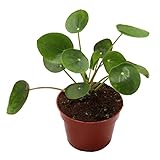
Care Guide: Planting, Soil & Watering
Overview: Khat is a slow-growing, drought-tolerant evergreen shrub or small tree for frost-free Mediterranean, desert and subtropical climates (hardiness zone 9-12), best in full sun to part shade. It needs a well-drained soil and only low to moderate moisture once established.
Quick Care Requirements
| Requirement |
Ideal Condition |
| Planting Season |
In the warm season once frost has passed (spring through autumn in frost-free areas) |
| Growth Rate |
Slow |
| Soil Type |
Well-drained soil |
| Water Need |
Low to moderate – allow the soil to dry between waterings |
Planting & Establishment
- Best Planting Season: Plant in the warm season after any risk of frost has passed.
- How to Plant:
- Hole Preparation: Dig a hole about twice the width of the root ball and no deeper than it.
- Soil Amendments: Improve heavy ground with grit or compost to sharpen drainage.
- Planting Depth: Set the root collar at soil level; avoid burying the stem.
- Growth Speed & Expectations: A slow grower reaching 1-8 m (3-25 ft) over time; expect patient, steady development.
Soil, Watering & Drainage Care
- Soil Mix & Drainage Needs: Free-draining soil is essential to prevent root rot; in pots use a gritty, free-draining mix.
- Watering Schedule & Technique:
- Young / Newly Planted: Water moderately to help it establish, keeping the soil from fully drying out.
- Established: Water sparingly once established, letting the soil dry well between waterings – it tolerates drought.
- Seasonal Adjustments: A little more in prolonged summer heat; keep drier in winter.
Growing in Pots, Balconies & Indoors
Khat is a large evergreen shrub or small tree of warm, dry uplands. The grower rates it for containers but not indoors – it grows tall and demands strong light, so it suits a big tub on a sunny, frost-free patio.
Quick Details
- Container Size: A large tub, 40 L (10 gal) or more; pot up as it grows
- Indoor Suitability: Not a houseplant (grower); a large, sun-loving evergreen for outdoor pots
- Best Spot: Full sun to partial shade; a bright spot with some direct sun is ideal.
- Soil & Drainage: Aerated, organic-rich mix (quality potting mix, or peat/coir with perlite or vermiculite); it must drain freely.
- Watering in Pots: Let the top few centimetres of mix dry between waterings; pots drain fast, so check often, but never leave it waterlogged.
Indoors & On the Windowsill
- Not a houseplant: The grower marks it unsuitable indoors; it becomes a large, light-hungry plant with no place in a room.
- Overwintering: It is frost-tender – a potted young plant can be moved to a bright, frost-free space in cold winters.
On a Balcony or Patio
- Light & exposure: Give it full sun to part shade and shelter from cold winds; it is drought-tolerant, so let the mix dry between waterings.
- Practicalities: A tall plant in a tub is top-heavy – use a wide, stable, well-weighted container.
Choosing the Pot, Soil & Long-Term Care
- Pot & drainage: A large tub with strong drainage holes; skip a standing-water saucer. Terracotta breathes and dries fast, which suits this drought-tolerant plant.
- Potting mix: Use a well-aerated, organic-rich mix – quality potting mix, or peat/coir blended with perlite or vermiculite.
- Feeding: As nutrients wash out of pots faster than open ground, feed potted plants regularly through the growing season with a balanced fertiliser.
- Repotting: Pot up as it grows and prune to keep it to a manageable size.
Bloom & Flower Guide
Quick Details
- Bloom Season: Summer
- Flower Appearance: Small white-cream flowers in tight clusters
- Edibility: Flowers are ornamental and not eaten — the leaves are the plant’s traditional stimulant, and khat is a regulated or illegal substance in many countries
Detailed Blooming Overview
Catha edulis is an evergreen shrub or small tree grown mainly for its leaves rather than its bloom. In summer it produces modest sprays of tiny pale flowers among the foliage — pleasant but understated compared with the plant’s dense, glossy leaves.
Flower Characteristics
- Small flowers in white to cream, carried in short clusters.
Bloom Care & Thinning
- Managing the bloom: No special flower care is needed; the plant is grown for foliage, and light pruning in spring or autumn shapes it.
- Light and water: Full sun to half shade with modest watering keeps it healthy through the flowering period.
Pruning, Training & Seasonal Maintenance
Khat (Catha edulis) is a slow-growing evergreen shrub or small tree, often kept as a clipped hedge/screen where grown ornamentally. Because it grows slowly, it responds best to regular light shaping rather than infrequent hard cuts, which it recovers from only slowly. Where the plant is grown for its leaves, routine tipping of soft new shoots doubles as light pruning and encourages a bushier, denser habit.
Quick Pruning & Maintenance Specs
| Pruning Tolerance |
Moderate (light, regular cuts preferred over hard renovation) |
| Primary Pruning Window |
Spring |
| Secondary Maintenance Window |
Autumn |
| Typical Frequency |
Regular light tipping/shaping rather than one big annual cut |
| Main Objective |
Shape/hedge density, or encourage bushy new shoot production |
| Young Plant Priority |
Tip-pinch to build branching structure early |
| Mature Plant Priority |
Maintain hedge density by shearing, or thin/height-control if grown as a small tree |
| Best Tool Type |
Bypass secateurs for tipping; hedge shears if formally clipped |
| Avoid Heavy Pruning During |
Summer heat/drought stress, given the plant’s slow recovery |
Pruning by Plant Age & Size
Newly Established
Minimal — only remove damaged growth; avoid cutting back a slow-growing young plant more than necessary.
Young / Formative
Pinch soft shoot tips to encourage early branching and bushiness rather than a single leggy stem; if grown as a hedge, begin light shaping once it reaches the intended width.
Mature / Established
As a clipped hedge, shear regularly to maintain a dense face; as a looser specimen or small tree (it can reach up to about 8 m), selectively thin and control height rather than shearing.
Structural Pruning & Training
Given its wide potential size range, larger untrimmed specimens benefit from height and spread control to keep growth manageable; because recovery from hard cuts is slow, favor selective thinning cuts over heavy heading cuts.
Special Growth to Remove
Regular removal (harvesting) of soft new shoot tips serves as light pruning that promotes denser branching; no rootstock suckers are relevant since the species is not typically grafted.
Container & Small-Space Pruning
Can be grown in a planter; regular tip-pinching there keeps growth compact given the slow but steady growth habit and confined root space.
Tools
Bypass secateurs for tipping and light shaping; hedge shears where maintained as a formal hedge; loppers occasionally for size reduction on larger, woodier stems; a pole pruner is warranted only on mature, untrimmed specimens that have been allowed to grow toward their full tree-like height.
Tool Hygiene & Disease Risk
No specific pest or disease pressure is documented for this species in the available data, so Routine tool hygiene (clean, sharp tools) is sufficient; there is no basis here for claiming an elevated disease-transmission risk.
Cut Placement & Technique
Favor selective thinning/tipping cuts just above a node; avoid heavy heading cuts into old wood, which the slow-growing species is much slower to recover from than a fast-growing shrub.
Heavy Pruning & Rejuvenation
Hard rejuvenation pruning is not particularly well suited to this slow grower — regrowth after a severe cutback will take considerably longer than for a fast-growing species. Prefer light, regular pruning over occasional hard renovation.
Post-Pruning Care
Water normally, being mindful the plant naturally prefers small-to-average water; avoid pruning right before a stretch of hot, dry weather given the slow regrowth rate.
Common Pruning Mistakes
Over-shearing or hard cutting back, from which the slow-growing plant is slow to recover; skipping regular light tipping and allowing sparse, open growth instead.
When NOT to Prune
Avoid heavy pruning during summer heat or drought stress, and avoid pruning close to the cooler edge of the plant’s hardiness range where frost risk exists.
Pruning Troubleshooting
| Problem |
Possible Cause |
What to Check |
Corrective Action |
| Dieback or slow recovery after pruning |
Hard cutback on a naturally slow-growing species |
Severity and timing of the last cut |
Switch to lighter, more frequent trims; avoid heavy heading cuts |
| Sparse, open foliage |
Insufficient tip-pinching / infrequent shaping |
Frequency of shoot tipping |
Resume regular light tipping to encourage denser branching |
Recommended Tools (by task)
- bypass_secateurs – regular shoot-tip pinching and light shaping.
- hedge_shears – maintaining a formally clipped hedge/screen.
- pole_pruner – height control on mature, untrimmed specimens approaching their full small-tree size.
Pests, Diseases & Troubleshooting
Khat is an evergreen woody shrub grown warm and frost-free; documented pest problems are limited, and healthy plants are generally hardy. In cultivation the realistic risks are the usual sap-sucking greenhouse insects and, above all, root rot from overwatering, so management focuses on drainage, airflow and routine inspection rather than a heavy pest programme.
Quick Troubleshooting Overview
| Issue / Pest |
Main Symptom |
Primary Solution |
| Scale insects |
Brown/waxy bumps on stems and leaf veins, honeydew, sooty mould |
Prune out, wipe off, horticultural oil |
| Mealybugs |
White cottony masses in leaf axils and on roots |
Alcohol dab, insecticidal soap, check roots at repotting |
| Spider mites |
Fine stippling, bronzing and webbing in hot dry air |
Raise humidity, hose down, horticultural oil |
| Root rot |
Wilting despite moist soil, blackened roots, collapse |
Improve drainage; water only when soil dries; remove rot |
| Cold/frost damage |
Blackened, wilted leaves and shoot dieback after chill |
Protect or move under cover below its tolerance |
Common Pests & Management
- Scale insects (Coccidae / Diaspididae):
- Symptoms: Brown, waxy or shell-like bumps clustered on stems, petioles and along leaf veins; soft scales produce sticky honeydew that turns to black sooty mould, and heavy infestations weaken growth.
- Prevention & Control: Inspect regularly and prune out heavily encrusted twigs; wipe or scrape small numbers off; smother with horticultural oil, repeating to catch crawlers; encourage parasitic wasps and ladybirds outdoors, and control ants that protect scale.
- Mealybugs (Pseudococcus / Planococcus spp.):
- Symptoms: White, cottony insects tucked into leaf axils, shoot tips and, importantly, on the roots; feeding stunts growth and leaves honeydew and sooty mould.
- Prevention & Control: Dab clusters with an alcohol-tipped swab; rinse and spray with insecticidal soap or horticultural oil; check the root ball at repotting and drench or replace soil if root mealybugs are present; isolate new plants.
- Spider mites (Tetranychus urticae):
- Symptoms: Fine pale stippling on leaves, a dull bronzed look and delicate webbing on undersides, worst on plants kept hot, dry and indoors.
- Prevention & Control: Raise humidity and hose foliage regularly; wipe leaves; treat with horticultural oil or insecticidal soap and repeat; introduce predatory mites in enclosed growing areas.
- Whitefly and aphids (Bemisia / Aphis spp.):
- Symptoms: Clouds of tiny white flies or clusters of soft aphids on new growth suck sap, distort young leaves and leave honeydew and sooty mould.
- Prevention & Control: Use yellow sticky traps to monitor whitefly; encourage lacewings and parasitic wasps; knock aphids off with a water jet; insecticidal soap or horticultural oil in the evening for persistent numbers.
Diseases & Fungal Issues
- Root and collar rot (Phytophthora / Pythium spp.):
- Symptoms: Wilting and yellowing despite moist soil, softened blackened roots and browning at the stem base, often ending in collapse; driven by wet, poorly drained or overwatered soil.
- Treatment & Management: Prevention through drainage is key: use a free-draining mix, let soil dry between waterings, and never leave pots standing in water; remove and destroy badly rotted plants; repot survivors into fresh dry medium and ease off water.
- Leaf spot (Cercospora / Colletotrichum spp.):
- Symptoms: Brown or black spots and blotches on leaves in warm humid conditions, sometimes with early leaf drop; usually minor.
- Treatment & Management: Improve airflow and avoid overhead wetting; remove and destroy affected leaves; copper fungicide only if spotting is persistent and severe.
- Sooty mould:
- Symptoms: A black superficial film coating leaves and stems wherever sap-suckers leave honeydew; it blocks light rather than infecting the plant.
- Treatment & Management: Control the underlying scale, mealybug, whitefly or aphids and the mould stops forming; wash off existing deposits with mild soapy water.
Growing Difficulties & Abiotic Problems
- Overwatering and poor drainage:
- Cause & Symptoms: Khat resents wet feet; soggy soil suffocates roots, invites rot and causes wilting, leaf drop and decline.
- Correction Strategy: Grow in a gritty, free-draining mix or well-drained ground; water thoroughly then allow the surface to dry; reduce watering sharply in cool or dormant periods.
- Cold and frost sensitivity:
- Cause & Symptoms: As a warm-climate shrub it is damaged by cold; frost blackens leaves and kills soft shoots, and prolonged chill causes dieback.
- Correction Strategy: Grow frost-free—under cover or indoors in cold climates; keep it sheltered and on the dry side through cold spells; prune out cold-damaged wood once growth resumes.
- Nutrient deficiency chlorosis:
- Cause & Symptoms: Poor or waterlogged soil and alkalinity cause pale, yellowing leaves and weak growth, often iron- or nitrogen-related.
- Correction Strategy: Feed with a balanced fertiliser in the growing season; correct iron chlorosis with chelated iron; ensure drainage so roots can take up nutrients.
What Helps — Products & Tools
Care is mostly cultural: free-draining soil, careful watering and routine inspection. For sap-suckers, horticultural oil and insecticidal soap cover scale, mealybugs, mites, whitefly and aphids; yellow sticky traps monitor whitefly; alcohol swabs spot-treat mealybugs. Copper fungicide addresses stubborn leaf spot, and chelated iron corrects chlorosis—drainage remains the main defence against root rot.